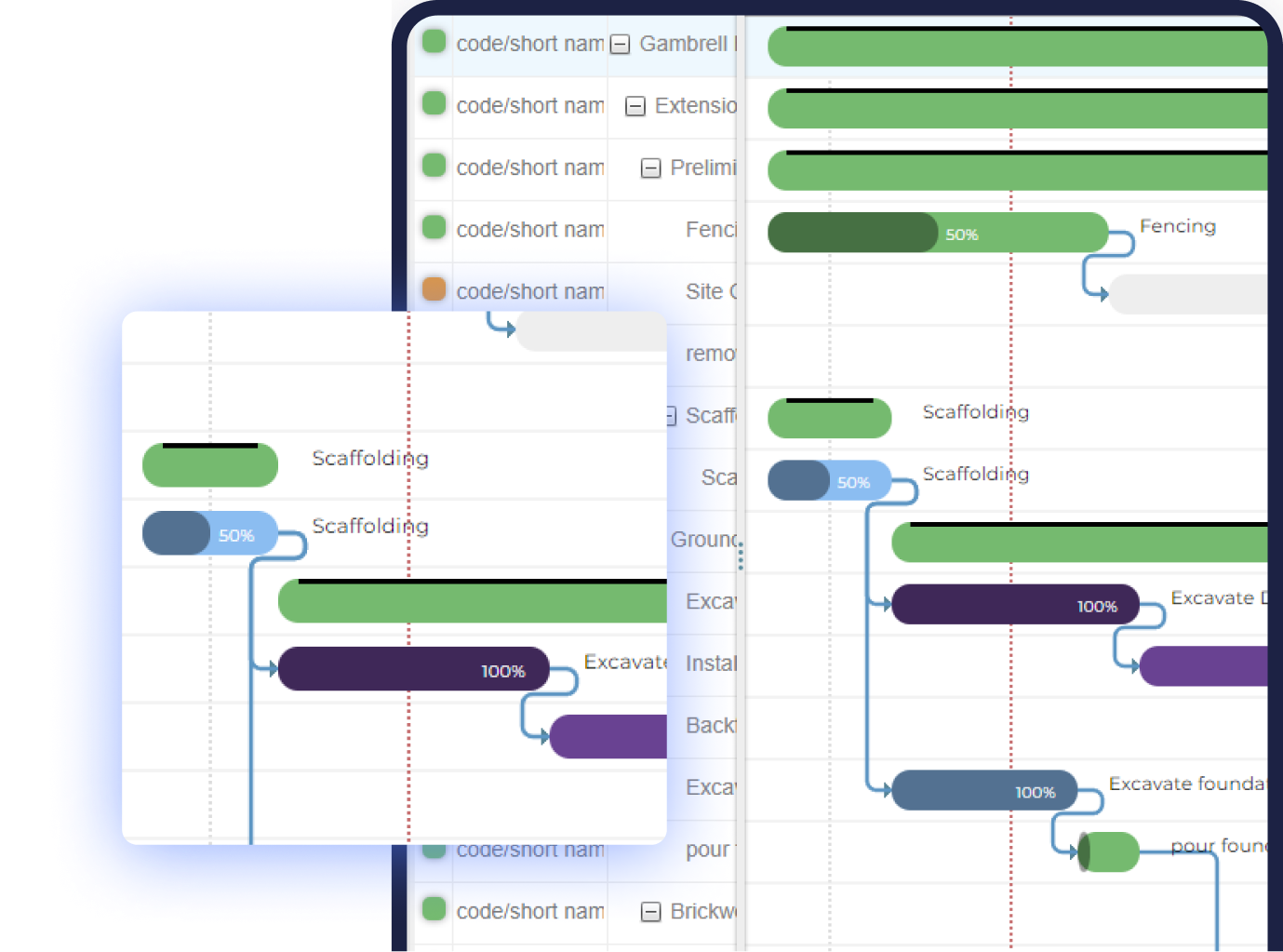
Project management is the backbone of successful execution in any organization. It ensures that tasks are organized, timelines are met, and resources are allocated effectively. Over the years, project management tools have evolved significantly, moving from traditional Gantt charts to modern task management systems. In this article, we'll explore this transition and how it has revolutionized the way we organize and execute work efficiently.
Introduction to Project Management Tools
Project management tools have long been essential for overseeing tasks, projects, and teams. They help in visualizing project timelines, assigning responsibilities, and tracking progress. Traditionally, Gantt charts were the go-to method for project planning and management.
Traditional Gantt Charts
Gantt charts, named after their creator Henry L. Gantt, have been in use since the early 20th century. These bar charts provided a visual representation of project schedules, showing tasks on a timeline. They offered several advantages:
Visualization: Gantt charts offered a clear, visual representation of project timelines, making it easier to understand the project's structure and dependencies.
Historical Significance: They played a crucial role in managing major construction projects and were used in various industries to plan and execute work.
However, Gantt charts had their limitations.
Challenges with Gantt Charts
As projects grew in complexity and organizations embraced digital transformation, Gantt charts faced several challenges:
Real-time Updates: Gantt charts were static, making it difficult to incorporate real-time updates. Project changes often resulted in manual adjustments to the chart.
Collaboration:Collaboration among team members was limited, and sharing physical charts made it challenging to keep everyone on the same page.
Adaptability: Gantt charts struggled to adapt to changes in project scope or unexpected delays.
Evolution to Modern Task Management
Recognizing the limitations of Gantt charts, organizations began transitioning to modern task management systems. These systems provided dynamic solutions to project management challenges:
Features and Benefits of Task Management Systems
Real-time Updates: Modern task management systems operate in the cloud, allowing teams to access and update project data in real time. This ensures that everyone has access to the latest information.
Collaboration: They provide collaboration features, enabling team members to communicate, share files, and work together seamlessly.
Flexibility: Task management systems are highly adaptable, making it easier to accommodate changes and unforeseen challenges.
Case Study 2: Construction Project
In the construction industry, where timelines are critical, a construction firm adopted task management software. This allowed them to coordinate activities across various teams, monitor material deliveries, and ensure adherence to safety protocols. The result was a 15% reduction in project completion time.
Choosing the Right Tool
The choice between Gantt charts and task management systems depends on various factors, including project size, complexity, and team dynamics. For large, dynamic projects with distributed teams, modern task management systems are often the preferred choice. However, for simpler projects, Gantt charts can still be effective.
Implementation Tips
Transitioning to a task management system requires careful planning:
Training: Ensure that your team is well-trained in using the new system.
Data Migration: Transfer relevant data from your Gantt charts to the new system.
Change Management: Communicate the benefits of the new system to your team and address any concerns.
Future Trends
The project management landscape continues to evolve. Emerging trends include the integration of AI for predictive analysis, automation of routine tasks, and data analytics for improved decision-making.
Conclusion
The transition from Gantt charts to modern task management systems represents a significant shift in how we organize and execute work efficiently. While Gantt charts served their purpose historically, the dynamic, collaborative, and adaptable nature of task management systems makes them the preferred choice for many organizations today. As technology continues to advance, embracing these tools is key to staying competitive and ensuring project success in the digital age. It's vital to see how these tools fir together inside a wider array of tools inside powerful project management software, which is the future of all project management going forward.
In the world of construction, where complexity and collaboration reign supreme, communication is the linchpin that holds projects together. Effective communication isn't just a matter of convenience; it's the cornerstone of client satisfaction. In this article, we delve into the profound impact of clear and proactive communication on client relationships and project outcomes in the construction industry.
Understanding the Significance of Client Satisfaction
Client satisfaction is a measure of how well a construction project meets the expectations and needs of the client. It's more than a simple metric; it's a reflection of trust, quality, and professionalism. Satisfied clients are more likely to become repeat customers and advocates for your services. On the flip side, dissatisfied clients can tarnish your reputation and limit future opportunities.
The Communication Challenge in Construction
Construction projects are notorious for their complex web of stakeholders, technical details, and tight schedules. Managing this complexity requires effective communication. However, the construction industry faces unique communication challenges:
Diverse Stakeholders: Projects involve a multitude of stakeholders, from architects and engineers to contractors and subcontractors. Ensuring everyone is on the same page is no small feat.
Technical Information:Construction projects are laden with technical details that must be communicated accurately. Misunderstandings can lead to costly errors.
Transparency: Clients demand transparency in every aspect of the project. From budgets to timelines, they expect to be kept informed.
Clarity: Messages must be clear, concise, and easily understood. Ambiguity can lead to confusion and mistakes.
Timeliness: Information should be communicated in a timely manner. Delays in communication can result in project setbacks.
Relevance: Communication should be relevant to the recipient's needs and interests. Clients, for instance, need information that helps them make decisions.
Building Trust Through Communication
Trust is a fragile yet essential element in client relationships. Transparent and honest communication is the bedrock on which trust is built. When clients believe they're being kept in the loop and that their concerns are being addressed, trust flourishes.
Conversely, poor communication can erode trust. Delayed responses, unaddressed concerns, and lack of transparency can breed skepticism and dissatisfaction.
Proactive vs. Reactive Communication
Proactive communication involves anticipating issues and addressing them before they become problems. In construction, this might mean informing clients about potential delays or cost overruns and presenting solutions.
Reactive communication, on the other hand, occurs when issues are addressed after they've already caused disruptions. Clients generally prefer proactive communication, as it demonstrates foresight and commitment to their interests.
Client Expectations and Involvement
Client expectations regarding communication should be established at the project's outset. Some clients prefer frequent updates, while others may prefer less frequent but comprehensive reports. Understanding and meeting these preferences is essential.
Involving clients in key decisions, especially when changes or challenges arise, fosters a sense of ownership and control. It also ensures that the project aligns with their vision.
Communication Tools and Technologies
Modern construction benefits from a range of communication tools and technologies. Project management software, collaboration platforms, and mobile apps facilitate real-time communication. They provide a central hub for sharing documents, updates, and progress reports.
Overcoming Communication Barriers
Communication barriers can hinder effective interaction in construction projects. Language differences, technical jargon, and misaligned expectations are common hurdles. To overcome these barriers:
Use plain language when explaining technical concepts.
Provide translations or interpreters when necessary.
Ensure that all parties share a common understanding of project goals and objectives.
Client Feedback and Listening
Actively seeking client feedback and genuinely listening to their concerns are critical components of effective communication. Feedback loops allow construction teams to address issues promptly, make necessary adjustments, and demonstrate a commitment to improvement.
Challenges and Considerations
While effective communication is paramount, challenges can arise. Privacy concerns, regulatory compliance, and contractual obligations are among the considerations that construction professionals must navigate when communicating with clients.
The Connection Between Communication and Project Success
Beyond client satisfaction, effective communication plays a pivotal role in overall project success. It influences project timelines, budget adherence, and quality outcomes. By keeping everyone informed and aligned, construction teams can mitigate risks and optimize project performance.
Conclusion
In the construction industry, communication isn't just a means to an end; it's the glue that holds projects together and fosters client satisfaction. Transparent and proactive communication builds trust, aligns expectations, and ultimately ensures that clients walk away from a project not just satisfied but delighted.
In the age of digital transformation, business analytics has emerged as a cornerstone of decision-making. As we stand on the cusp of a new era, let's delve into the future trends of business analytics and how they promise to reshape the business landscape.
Introduction
From its humble beginnings as simple data collection to the sophisticated predictive models of today, business analytics has come a long way. In today's hyper-competitive market, data-driven decisions are not just a luxury but a necessity.
The Growing Importance of Real-time Analytics
The digital age is fast-paced. Decisions made today can become obsolete tomorrow. This has given rise to the need for real-time data. With real-time analytics, businesses can react to market changes instantaneously, gaining a significant competitive edge. For instance, a leading e-commerce platform recently leveraged real-time analytics to adjust its marketing strategies on the fly during a major sale, resulting in record-breaking revenue.
Integration of AI and Machine Learning in Business Analytics
Artificial Intelligence (AI) and Machine Learning (ML) are no longer just buzzwords. They are revolutionizing predictive analytics. From customer behavior prediction to inventory management, AI-driven insights are proving invaluable. However, with great power comes great responsibility. As we integrate AI deeper into analytics, ethical considerations, especially around data privacy, become paramount.
The Rise of Augmented Analytics
Enter augmented analytics – the next evolution in data analysis. By leveraging AI, augmented analytics simplifies data discovery, making it accessible even to non-experts. This democratization of data means that insights are no longer confined to the boardroom but can influence decisions at every organizational level.
Data Privacy and Security Concerns
With the increasing volume of data comes the challenge of keeping it secure. Regulations like GDPR and CCPA have put data privacy in the spotlight. For businesses, this means walking the tightrope between ensuring data accessibility for insights and maintaining stringent data security protocols.
The Role of Edge Computing in Business Analytics
The future of data processing lies at the edge. Edge computing, which involves processing data closer to its source, promises reduced latency and faster insights. For businesses, this could mean rethinking their data infrastructure investments.
The Future of Data Visualization
Data, in its raw form, can be overwhelming. Enter data visualization. With emerging technologies like Virtual Reality (VR) and Augmented Reality (AR), data visualization is set to become more immersive, making insights clearer and decisions more informed.
Conclusion: The future of business analytics is rife with possibilities. From real-time insights to AI-driven predictions, the next phase promises to be more dynamic and impactful. As we move forward, staying updated and embracing the latest in analytics technology will be the key for businesses to thrive and stay competitive. The world of business analytics is evolving rapidly. Don't be left behind. Explore the latest tools and technologies, and consider how they can revolutionize your business operations.
In today's fast-paced and competitive business landscape, effective project management is not just an option; it's a necessity. Regardless of the size or industry of your business, project management plays a pivotal role in achieving success. In this article, we'll delve into the reasons why every business needs effective project management and how it can make a difference.
Efficiency and Resource Optimization
One of the primary benefits of effective project management is improved efficiency. Projects are executed more smoothly, with tasks well-defined and resources allocated optimally. This translates to cost savings, as wastage is reduced, and resources are utilized efficiently. Businesses that excel in resource optimization have a competitive edge in a world where every dollar matters.
Goal Achievement and Strategy Alignment
Projects are not isolated endeavors; they should align with the broader goals and strategies of the business. Effective project management ensures that projects are initiated, executed, and closed with a clear understanding of how they contribute to the organization's success. This alignment keeps everyone focused on achieving the right objectives.
Risk Mitigation and Problem-Solving
In the business world, challenges and risks are inevitable. Effective project management software equips teams with the tools and strategies to identify and mitigate risks effectively. Project managers are problem-solvers who anticipate issues and implement solutions promptly. This proactive approach can save businesses from costly setbacks.
Improved Communication and Collaboration
Effective project management fosters clear communication and collaboration among team members, stakeholders, and even different departments within the organization. Modern project management tools and techniques facilitate the exchange of information, making it easier for teams to work together seamlessly.
Time Management and Timely Delivery
Meeting deadlines is critical for businesses, especially when it comes to delivering products, services, or projects to customers. Effective project management methodologies like Gantt charts and Agile enable businesses to manage time efficiently, ensuring that projects are completed on schedule.
Customer Satisfaction and Reputation Building
Satisfied customers are more likely to become loyal advocates for your business. Effective project management ensures that projects meet or exceed customer expectations. When customers receive what they were promised on time and within budget, they are more likely to return and recommend your services. This not only leads to customer satisfaction but also builds a positive brand reputation.
Scalability and Growth
As businesses evolve and grow, they often take on more significant projects and expand their operations. Effective project management allows businesses to scale their activities without compromising quality. It provides the framework needed to handle larger and more complex projects, facilitating business growth.
Adaptability in a Changing Landscape
The business landscape is constantly changing, and adaptability is a valuable trait. Effective project management methodologies like Agile enable businesses to pivot quickly in response to market shifts or unexpected disruptions. They can change course, reprioritize projects, and remain competitive in dynamic environments.
Conclusion
Effective project management is not a luxury; it's a strategic advantage that every business should embrace. It enhances efficiency, aligns projects with strategic goals, mitigates risks, improves communication, and ensures timely delivery. Moreover, it fosters customer satisfaction, supports scalability, and equips businesses to adapt to a constantly changing landscape.
In today's competitive business landscape, the efficiency of operations directly impacts the bottom line. Especially in sectors like construction, where margins can be thin, streamlining operations becomes the backbone of financial success. But what does it mean to streamline operations, and how does it correlate with financial efficiency?
The Cost of Inefficient Operations
Every business, at some point, grapples with operational inefficiencies. These can manifest in various forms – from prolonged project timelines to wastage of resources. For instance, a construction company that doesn't optimize its inventory might end up with excess stock of materials that eventually become obsolete. Such inefficiencies not only tie up capital but can also lead to increased costs, thereby reducing profitability. Consider the case of ABC Constructions, which, due to poor workforce scheduling, often had workers idle, leading to inflated labor costs.
Key Areas to Streamline for Financial Efficiency
Inventory Management: In the construction industry, where projects are time-sensitive, having the right materials at the right time is crucial. By reducing waste, optimizing stock levels, and implementing just-in-time inventory systems, businesses can ensure they have what they need when they need it, without tying up capital in excess stock.
Labor and Workforce: Labor is one of the most significant costs in construction. Efficient scheduling, reducing overtime, and ensuring the right workforce allocation can lead to substantial cost savings.
Supply Chain: A streamlined supply chain is a boon for any business. By building strong relationships with suppliers, negotiating better terms, and reducing lead times, companies can ensure timely project completion and better financial terms.
Technology and Automation: The modern age offers a plethora of tech solutions designed to make business operations more efficient. From project management software to automated invoicing systems, technology can reduce manual errors, save time, and, by extension, save money.
Benefits of Streamlined Operations
The advantages of streamlined operations extend beyond just cost savings. Companies that optimize their operations often see improved customer satisfaction, thanks to faster delivery times and better service quality. Moreover, streamlined operations allow businesses to be more competitive in the market, bidding for projects with better margins. Additionally, with accurate financial data stemming from efficient operations, decision-making becomes more informed and strategic.
Case Study: XYZ Constructions, a mid-sized construction company, was grappling with delayed projects and dwindling profits. By overhauling their inventory management system, optimizing workforce scheduling, and implementing a robust project management tool, they not only reduced operational costs but also saw a 25% increase in project delivery efficiency, leading to higher profitability.
Challenges in Streamlining and Overcoming Them
Change, while beneficial, is often met with resistance. Employees might resist new systems or processes, and there's always an initial cost associated with implementing new technologies. Training and upskilling employees become crucial during such transitions. However, with a clear vision, continuous training, and a focus on the long-term benefits, businesses can overcome these challenges and set themselves on a path to financial efficiency.
Conclusion
In conclusion, streamlining operations is not just a buzzword; it's a necessity for businesses, especially in sectors like construction. By focusing on key areas like inventory, labor, supply chain, and technology, companies can optimize their operations, leading to significant financial benefits. As the business world evolves, the need for operational efficiency becomes even more pronounced. It's time for businesses to take note and act.
In the realm of construction, traditional project management practices have long held sway. However, as the industry evolves and projects become more complex, there's a growing need for more adaptive and flexible methodologies. Enter Agile, a methodology that, while rooted in software development, offers immense potential for the construction sector.
Understanding Agile
At its core, Agile is about adaptability, collaboration, and delivering value. Born out of the software development world, the Agile Manifesto emphasizes individuals and interactions, working solutions, customer collaboration, and responding to change. But how does this translate to construction?
Why Consider Agile for Construction?
Today's construction projects are not just about bricks and mortar. They're client-driven, often complex, and come with tight deadlines. In such an environment, the ability to adapt to changes, whether they're client requests or unforeseen challenges, is crucial. This is where Agile shines.
Benefits of Agile in Construction
Flexibility: Gone are the days when changes meant extensive delays and cost overruns. With Agile, teams can quickly pivot, ensuring that the project remains on track even when the unexpected happens.
Client Satisfaction: With regular check-ins and feedback loops, clients are always in the know. This continuous communication ensures that the final product aligns perfectly with their vision.
Efficiency: Issues in construction can be costly. However, with regular iterations and check-ins, problems are identified and resolved quickly, saving both time and money.
Team Collaboration: Agile isn't just about processes; it's about people. Enhanced communication means that everyone, from the site manager to the bricklayer, is on the same page.
Challenges of Implementing Agile
Of course, transitioning to a new methodology isn't without its challenges. Traditionalists might resist the change, while others might believe that Agile is too "loose" for the structured world of construction. Moreover, there's the challenge of training teams in a completely new way of working.
Practical Steps to Incorporate Agile
Start Small: If you're new to Agile, start with a pilot project. This allows teams to get a feel for the methodology without the pressure of a large-scale rollout.
Training: Agile is as much a mindset as it is a methodology. Invest in training sessions to ensure that everyone understands the principles and practices of Agile.
Use Agile Tools: While Agile originated in software development, many of its tools are universal. Kanban boards, for instance, can be an excellent way to track progress, while daily stand-ups ensure that everyone is aligned.
Feedback Loops: Construction is a collaborative effort. Regular feedback, both from clients and team members, is crucial. Not only does it ensure that the project is on track, but it also provides valuable insights for future projects.
Conclusion In the fast-paced world of construction, being able to adapt is crucial. Agile business management, with its emphasis on flexibility, collaboration, and value delivery, offers a way forward. As project management becomes more complex and client demands more intricate, Agile provides the tools needed to succeed. Interested in exploring Agile for your construction projects? Now's the time to dive in. Whether it's through training, consultations, or simply starting with a small project, the world of Agile awaits. Explore CQ today and start to see how far it has taken project management software to bring a really new way of tracking everything in one central hub.
In today's fast-paced business environment, service delivery has undergone a significant transformation. With the digital age in full swing and customer expectations at an all-time high, businesses must adapt and optimize their service delivery methods. This article delves into the best practices for service delivery in 2023, highlighting the importance of staying ahead in an ever-evolving landscape.
The Changing Landscape of Service Delivery
Gone are the days when service delivery was a straightforward process. The shift from traditional to digital methods has revolutionized how businesses interact with their customers. Moreover, the rise of remote service delivery has brought its own set of challenges and opportunities. In this digital age, customers expect instant solutions, personalized experiences, and seamless interactions, making it imperative for businesses to adapt and evolve.
Technological Advancements in Service Delivery
The technological realm has seen groundbreaking advancements that have reshaped service delivery. Artificial Intelligence (AI) and machine learning are at the forefront, enabling businesses to predict customer behavior, automate repetitive tasks, and offer personalized solutions. Furthermore, data analytics plays a pivotal role in understanding customer preferences, allowing businesses to tailor their services accordingly. Automation tools and software, such as CRM systems and chatbots, are also shaping the future, ensuring that businesses stay competitive and relevant.
Best Practices for Service Delivery in 2023
Personalization is Key: In an era where customers value experiences, personalizing service delivery can set your business apart. By understanding customer preferences and behavior, businesses can offer tailored solutions, enhancing the overall customer experience.
Continuous Training: The service industry is ever-evolving. To stay ahead, it's crucial to invest in continuous training and upskilling of service delivery teams. This ensures that they are equipped with the latest knowledge and skills to meet customer expectations.
Implement Feedback Loops: Customer feedback is a goldmine of information. By implementing feedback loops, businesses can continuously improve and adapt their services, ensuring they meet and exceed customer expectations.
The future of service delivery promises even more advancements and challenges. To stay ahead of the curve, businesses must be proactive in predicting and adapting to future trends. Investing in the right tools and technologies, fostering a culture of innovation, and continuously striving for excellence are crucial for success.
Conclusion
Optimizing service delivery is no longer a luxury but a necessity in today's business climate. By embracing the best practices of 2023, businesses can ensure they deliver exceptional value to their customers, driving growth and success.
In the intricate world of project management, milestones serve as guiding stars, illuminating the path to successful project completion. These significant markers break down the complexity of a project into digestible chunks, ensuring that teams remain on track and stakeholders stay informed. But why are milestones so crucial, and how can project managers effectively set and track them?
The Importance of Setting Clear Milestones
A project milestone, by definition, is a significant event or achievement that marks the completion of a portion of a project. It's not just another task on the to-do list but a clear indication of progress. Milestones act as checkpoints, allowing teams to measure how far they've come and how far they still need to go. They instill a sense of accountability, ensuring that everyone involved understands their roles and responsibilities.
Best Practices for Setting Milestones
Start with the End in Mind: Before diving into the details, visualize the project's end goal. What are the key achievements you want to accomplish? Work backward from there to set your milestones.
Make it SMART: Ensure that your milestones are Specific, Measurable, Achievable, Relevant, and Time-bound. This clarity prevents ambiguity and sets clear expectations.
Stakeholder Involvement: Engage key stakeholders when setting milestones. Their insights can provide valuable perspectives and ensure alignment with broader business goals.
Milestones vs. Tasks: Remember, milestones are significant achievements, not daily tasks. Differentiate between the two to avoid overwhelming your team.
Tools and Techniques for Tracking Milestones
With the advancement of technology, several tools have emerged that make milestone tracking simpler and more efficient. Gantt charts, for instance, provide a visual representation of the project timeline, clearly indicating when each milestone should be achieved. Kanban boards, on the other hand, offer a more flexible approach, allowing teams to move tasks and milestones as they progress.
Regular progress meetings are also invaluable. These sessions provide an opportunity for teams to discuss challenges, celebrate achievements, and recalibrate if necessary.
Overcoming Challenges in Milestone Tracking
Even with the best-laid plans, challenges can arise. Milestones might be missed, project scopes might change, or unforeseen obstacles might emerge. The key is flexibility. When challenges arise, reassess your milestones, adjust as necessary, and keep moving forward. Remember, every project will face hurdles; it's how you overcome them that counts.
Celebrating Milestones and Recognizing Achievements
Reaching a milestone is a significant achievement and deserves recognition. Celebrating these achievements boosts team morale and motivation. Whether it's a team lunch, a small token of appreciation, or simply words of acknowledgment, recognizing hard work goes a long way.
In Conclusion
Milestones are more than just markers on a project timeline. They are indicators of progress, motivators for teams, and signals for stakeholders. As you embark on your next project, prioritize the setting and tracking of milestones. They might just be the difference between a project that flounders and one that flourishes. Discover the difference CQs project management software is making to multiple different types of team, and bringing all elements in to one conclusive hub.