Strategies for Success
In the competitive world of landscaping, establishing a strong brand is not just about offering quality services; it's about creating a memorable identity that resonates with your clients. A robust brand stands out in a crowded market, builds customer loyalty, and drives business growth. Here's how you can leverage strategies and technology to build a trusted brand in the landscaping industry.
A strong brand starts with a clear understanding of your unique value proposition. What sets your landscaping business apart? Is it your innovative design, sustainable practices, or exceptional customer service? Identifying and communicating your unique strengths is the first step in building a brand that attracts and retains customers.
In today's digital age, your online presence is often the first interaction potential clients have with your brand. A professional website showcasing your portfolio, customer testimonials, and detailed service descriptions can make a powerful first impression. Utilize social media platforms to share project updates, gardening tips, and behind-the-scenes looks into your work process. These efforts not only enhance your visibility but also establish your expertise in the landscaping field.
A picture is worth a thousand words, especially in landscaping. An online portfolio of completed projects is a testament to your skill and creativity. Before-and-after photos, detailed project descriptions, and client testimonials provide tangible proof of your capabilities, helping prospective clients envision what you can do for their spaces.
Word-of-mouth remains one of the most powerful marketing tools. Encourage satisfied clients to share their experiences working with you. Feature these testimonials prominently on your website and social media channels. Positive reviews not only build trust with potential clients but also reinforce your brand's reputation for quality and reliability.
In the process of brand building, efficient project management and client communication are crucial. This is where landscaping business management software, like CQ, becomes invaluable. Such software streamlines project documentation, scheduling, and client interactions, ensuring a smooth and professional service experience. Features like digital portfolios, automated client updates, and online payment options contribute to a modern, professional brand image.
Building a strong landscaping brand requires a combination of strategic marketing, quality service delivery, and leveraging the right technology. By establishing a solid online presence, showcasing your successes, and utilizing software to enhance client communication, you can create a brand that not only attracts clients but also fosters loyalty and referrals. Remember, your brand is the promise you make to your clients; delivering on that promise is what sets you apart in the landscaping industry.
Ready to elevate your landscaping brand? Discover how CQ Landscaping Business Management Software can streamline your operations and help you build a strong, recognizable brand. Sign up for a demo today and take the first step towards transforming your landscaping business into a trusted industry leader.
The landscaping industry, with its inherent ties to the changing seasons, presents unique challenges and opportunities for businesses. The key to thriving year-round lies not just in adapting to these changes but in strategically leveraging them for continuous growth. This article explores practical strategies for landscaping businesses to maintain steady operations and profitability throughout the year.
The first step in mastering year-round success is understanding the seasonal nature of the landscaping industry. Spring and summer bring a surge in demand for design, installation, and maintenance services, while autumn and winter focus shifts to preparation for the cold, such as winterizing irrigation systems and garden clean-ups. Recognizing these patterns allows for strategic planning and resource allocation.
Diversification is a powerful strategy to counteract seasonal lulls. By expanding your service offerings to include year-round or off-season services, you can create steady revenue streams. Consider incorporating snow removal, holiday lighting installations, and indoor plant care during the colder months. Additionally, offering landscape design consultations and planning services can keep your business top-of-mind for clients planning spring projects.
Managing costs effectively is crucial for navigating seasonal fluctuations. During peak seasons, focus on maximizing efficiency and profitability of high-demand services. In slower periods, it's an opportunity to evaluate your business operations, reduce unnecessary expenses, and invest in staff training and equipment maintenance. Implementing a robust budgeting and financial forecasting system can help anticipate cash flow needs and ensure financial stability.
A targeted marketing strategy can keep your business in the spotlight all year. Tailor your marketing efforts to highlight seasonal services, using social media, email newsletters, and local advertising to reach your audience. Off-season promotions and early bird specials for spring services can generate bookings during slower months, ensuring a steady workload.
Year-round success is also about building and maintaining strong relationships with your clients. Regular communication, exceptional service, and personalized landscaping solutions can turn one-time projects into long-term contracts. Offering maintenance packages or loyalty discounts encourages repeat business and referrals, which are invaluable for sustaining operations throughout the year.
Technology can streamline operations and enhance service offerings. Project management software, for example, can improve scheduling efficiency and customer communication. Investing in advanced equipment that can be used in various conditions, or adopting innovative landscaping techniques, can also expand your service capabilities across seasons.
Navigating the seasons in the landscaping industry requires a proactive and strategic approach. By understanding seasonal demands, diversifying services, managing costs effectively, employing targeted marketing, fostering customer relationships, and leveraging technology, landscaping businesses can achieve year-round success. Embracing these strategies not only ensures steady business growth but also positions your company as a versatile and reliable service provider in the ever-changing landscape of the industry.
Ready to transform your landscaping business for year-round success? Explore our comprehensive landscaping management software designed specifically for the landscaping industry. Sign up for a demo today and discover how we can help you streamline your operations, manage costs, and grow your business, no matter the season.
The construction industry, known for its complexity and high-risk nature, has made significant strides in prioritizing safety over the years. With advancements in technology and innovative practices, construction companies are redefining safety standards. In this article, we will explore the latest innovations and technologies that are enhancing safety measures in construction and reshaping the way we protect workers on construction sites.
Construction work involves heavy machinery, towering structures, and intricate processes. The safety of workers is paramount not only for their well-being but also for the successful completion of projects. Safety measures not only save lives but also contribute to project timelines and budgets by preventing accidents and disruptions.
For many years, the construction industry has relied on traditional safety practices such as hard hats, safety vests, and safety glasses. While these practices remain essential, they have been supplemented and enhanced by cutting-edge innovations.
Safety practices in construction have evolved in response to changing technologies and increased awareness. Regulations and safety standards have become more stringent, driving the adoption of innovative safety measures.
Smart helmets are a remarkable advancement in PPE. They incorporate augmented reality (AR) features, allowing workers to overlay digital information onto their field of view. These helmets can provide real-time data, instructions, and hazard alerts, enhancing situational awareness.
Exoskeletons are wearable devices that support and assist construction workers, reducing the risk of musculoskeletal injuries. These exoskeletons can reduce strain on the body, particularly when lifting heavy objects.
Wearable sensors, often integrated into safety vests and clothing, monitor workers' vital signs and environmental conditions. If a worker's heart rate, body temperature, or exposure to hazardous substances reaches a critical level, alerts are sent to supervisors, enabling swift intervention.
Location tracking using GPS and RFID technology ensures that workers are in designated safe zones. In the event of an emergency, this technology allows for efficient evacuation and accounting of personnel.
Drones equipped with high-resolution cameras and sensors are revolutionizing safety inspections and surveillance on construction sites. They can quickly and safely assess the condition of structures, identify potential hazards, and ensure compliance with safety regulations.
BIM isn't just for design and planning; it's also a powerful tool for safety. By creating 3D models of construction projects, BIM can identify potential safety risks during the design phase. This allows for early mitigation strategies to be put in place, reducing accidents during construction.
AI algorithms are being employed for real-time safety management. Cameras and sensors on construction sites can detect potential hazards, such as workers in dangerous areas or equipment malfunctions, and alert supervisors instantly.
Virtual reality training programs are used to simulate hazardous situations and provide workers with realistic training experiences. VR enables workers to practice safety protocols and emergency responses, ensuring they are well-prepared for real-world scenarios.
In addition to technology, fostering a collaborative safety culture is essential. Communication and reporting tools enable workers to report safety concerns or incidents promptly. A culture that encourages open communication about safety issues is a crucial part of construction safety.
Real-world examples showcase the impact of these innovations. Construction companies that have embraced these technologies have seen significant reductions in accidents and improvements in worker safety.
While these innovations hold great promise, challenges such as cost, training, and regulatory compliance must be addressed. Companies must carefully plan and budget for the adoption of new safety technologies and provide training to ensure workers can use them effectively.
The future of construction safety is bright, with emerging trends such as autonomous safety equipment and predictive analytics. These trends will further improve safety outcomes and protect workers from harm.
Conclusion
Safety remains the top priority in the construction industry, and innovations are transforming the way it is achieved. From smart helmets and wearable sensors to drones and AI-powered safety management, construction companies are embracing cutting-edge technologies to protect their most valuable assets—their workers. As the industry continues to evolve, so too will safety practices, ensuring that "Safety First" remains a guiding principle. Additionally all these things get wrapped up together in complete tracking and monitoring with strong project management software.
In today's rapidly evolving business landscape, the nature and scope of risks have transformed dramatically. From cyber threats to global economic shifts, businesses face a myriad of challenges that require proactive risk management. Enter the world of technology, which offers a plethora of solutions to identify, assess, and mitigate these risks. Let's delve into how technology is revolutionizing risk mitigation.
Every business, regardless of its size or industry, grapples with a range of risks. These can be operational, stemming from internal processes; financial, related to market fluctuations; strategic, arising from business decisions; or compliance-based, linked to regulatory requirements. With the rise of global events, technological disruptions, and market dynamics, these risks are more unpredictable than ever.
Historically, businesses relied on manual assessments, past data, and human intuition to manage risks. While these methods have their merits, they lack the precision, speed, and proactive approach that today's business environment demands. This is where technology steps in, offering tools that are not only faster but also more accurate and comprehensive.
Continuous monitoring is the key to effective risk management. Dashboards and visualization tools provide real-time insights, while automated reporting systems ensure that all stakeholders are kept in the loop. Moreover, integrating risk management tools with other business systems offers a holistic view of the business's health.
In Conclusion In the face of ever-evolving business risks, staying updated with the latest technological solutions is not just advisable; it's imperative. These tools offer businesses the best chance to not only identify and assess risks but also to respond in a timely and effective manner. As we move forward, investing in these technologies will be the cornerstone of sustainable and resilient business operations.
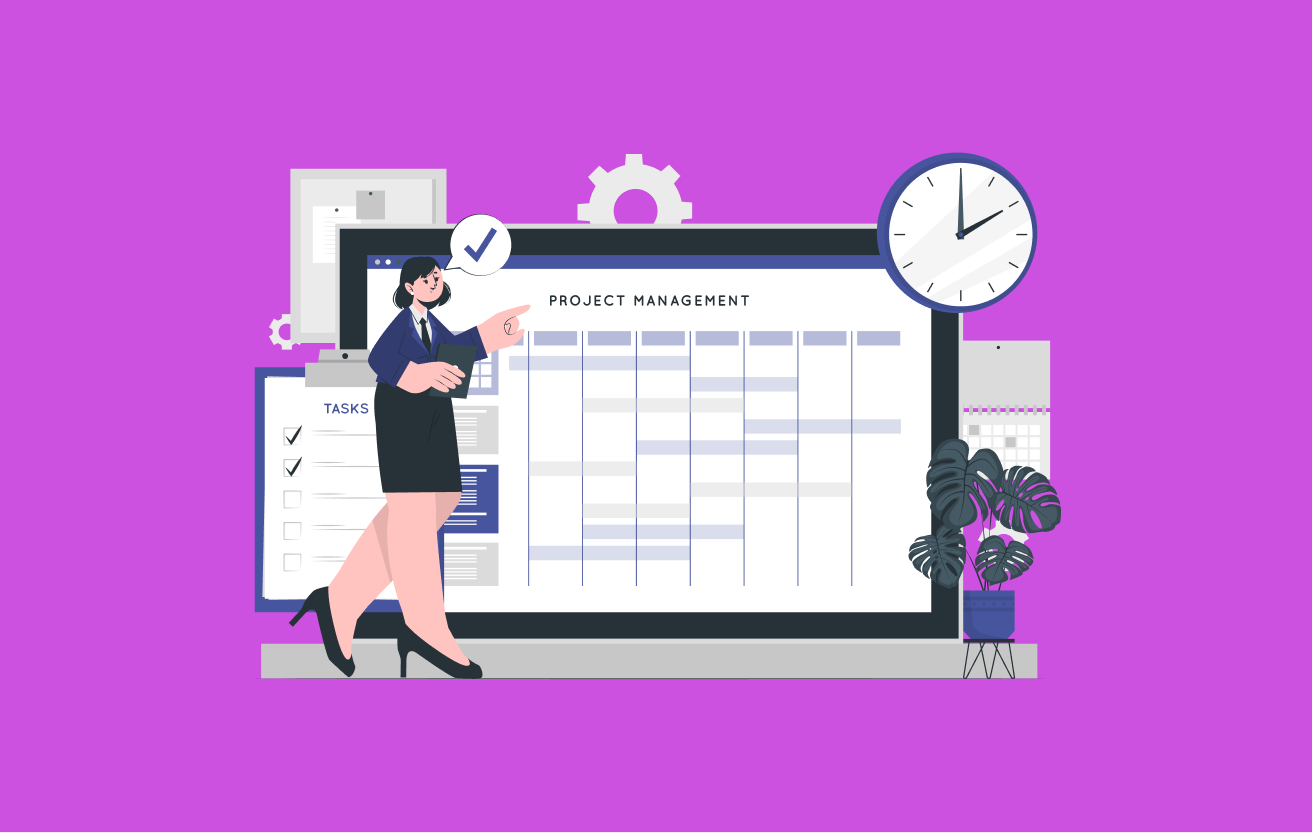
In the world of project management and planning, Gantt charts have emerged as indispensable tools that provide a visual representation of tasks, timelines, and dependencies. Developed by Henry L. Gantt in the early 20th century, Gantt charts have since become a cornerstone of project management, helping professionals across various industries streamline their processes, enhance communication, and ensure project success. In this article, we'll dive into the world of Gantt charts, exploring what they are, their components, and why they matter in modern business.


At its core, a Gantt chart is a visual representation of a project schedule over time. It displays a list of tasks or activities along with their corresponding start dates, end dates, and durations. Gantt charts provide a comprehensive overview of a project, allowing project managers and teams to see the big picture while also focusing on individual tasks.


To better understand Gantt charts, let's break down their key components:


Gantt charts matter for several compelling reasons:
Gantt charts provide a structured framework for planning and scheduling. Project managers can allocate resources efficiently, set realistic timelines, and assign tasks with clarity. This leads to more accurate project planning and execution.
One of the key strengths of Gantt charts is their ability to convey complex project information in a simple and visual format. Team members and stakeholders can quickly grasp the project's status, task assignments, and deadlines, fostering better communication.
Gantt charts make it easy to identify the critical path in a project—the sequence of tasks that, if delayed, would extend the project's overall duration. Recognizing the critical path allows for proactive management of potential delays.


As the project unfolds, Gantt charts serve as living documents that can be updated to reflect progress. Team members can mark completed tasks, and any deviations from the plan can be promptly addressed.
Efficient resource allocation is crucial for project success. Gantt charts help allocate resources effectively by showing when and where each resource is needed throughout the project's timeline.
The advantages of using Gantt charts extend beyond the points mentioned above. Some additional benefits include:
Gantt charts are widely used across various industries and sectors, including:
Creating Gantt charts has never been easier, thanks to project management tools that offer Gantt chart features. Some popular options include:
Conclusion
In conclusion, Gantt charts are fundamental tools in project management software that provide a clear, visual roadmap for projects of all sizes and complexities. By offering a bird's-eye view of tasks, timelines, and dependencies, Gantt charts empower project managers and teams to plan effectively, communicate clearly, and ensure the successful execution of projects across diverse industries. Whether you're in construction, IT, marketing, manufacturing, or event management, understanding and harnessing the power of Gantt charts can significantly enhance your project management capabilities.
So, the next time you embark on a project, consider incorporating Gantt charts into your planning and management processes—they might just be the key to your project's success.
In the world of construction, quality is non-negotiable. Whether it's a towering skyscraper, a sprawling infrastructure project, or a cozy family home, ensuring that every detail meets or exceeds established quality standards is paramount. Quality assurance, a comprehensive approach to maintaining quality throughout the construction process, is the linchpin that underpins project excellence from start to finish.
The repercussions of subpar quality in construction can be far-reaching. Consider the cost of poor quality:
The foundation of quality assurance lies in setting clear quality objectives and standards. These objectives must align with client expectations and regulatory requirements. A well-defined project charter or plan serves as the guiding document, outlining quality goals and the steps to achieve them.
Quality planning involves defining processes, roles, responsibilities, and documentation. It's about establishing a roadmap for quality control and assurance. Quality Management Plans (QMPs) and Inspection and Test Plans (ITPs) provide the necessary structure for quality management.
Ongoing quality control and inspection are fundamental to quality assurance. Rigorous inspections help identify defects, deviations from standards, and opportunities for improvement. Early detection of quality issues can prevent costly rework down the road.
Various quality assurance tools and techniques, such as Six Sigma, Total Quality Management (TQM), and Lean Construction, can be applied in construction projects. These methodologies provide systematic approaches to achieving and maintaining high-quality standards.
Quality assurance extends beyond on-site activities. It encompasses assessing the quality of materials and components sourced from suppliers. Supplier audits and stringent quality assurance measures are essential to maintaining consistency in project quality.
A skilled workforce is a cornerstone of quality assurance. Training and skill development programs ensure that construction teams have the knowledge and expertise needed to maintain quality standards. Quality assurance isn't just about processes; it's about people too.
The pursuit of quality doesn't end with the completion of a project. It's an ongoing commitment to continuous improvement. Lessons learned from past projects inform improvements in future endeavors. It's about relentlessly seeking better ways to deliver excellence.
Effective communication with clients is a crucial aspect of quality assurance. Engaging clients in quality decisions, managing their expectations, and transparently addressing concerns contribute to a successful project outcome that meets their quality standards.
Real-world examples illustrate the power of quality assurance. Projects that prioritize quality have achieved remarkable results, from reduced defects and rework to improved client satisfaction. These case studies serve as inspiration for the construction industry.
While quality assurance is essential, it's not without its challenges. Construction teams must be prepared to address issues such as data privacy and security, regulatory compliance, and contractual agreements. Navigating these challenges requires diligence and attention to detail.
The future of construction quality assurance is shaped by emerging trends. The use of digital tools for quality monitoring, including Building Information Modeling (BIM) and real-time data analytics, is on the rise. These tools offer unprecedented insights into project quality and performance.
Conclusion
Quality assurance isn't an optional extra in construction; it's the bedrock upon which project excellence is built. The cost of poor quality is too steep to ignore, and the benefits of a commitment to quality are immeasurable. With clear quality objectives, meticulous planning, ongoing inspections, and a dedication to continuous improvement, construction professionals can ensure that every project is a testament to excellence from start to finish. It's crucial to start exploring how effective project management software can make all of this so simplistic.
The construction industry, with its vast projects and significant investments, often grapples with financial challenges. Predicting financial outcomes has become not just a strategy but a necessity. This article delves into the world of financial forecasting in construction, highlighting its importance and the tools available to ensure accurate predictions.
Financial forecasting is the process of estimating future financial outcomes based on historical data and analysis. While it might sound similar to budgeting, the two are distinct. Budgeting outlines how a business expects to spend its resources, while forecasting predicts the resources a business will have at its disposal. In the volatile world of construction, forecasting becomes a beacon, guiding businesses through uncertain terrains.
The traditional methods of spreadsheets and historical data analysis, while still relevant, are now complemented by modern tools. Financial forecasting software, powered by AI-driven predictions, offers more accurate and timely forecasts. Additionally, data analytics plays a pivotal role in refining these predictions, ensuring they are rooted in reality.
The construction industry is inherently unpredictable. External factors such as economic downturns, regulatory changes, and fluctuations in material prices can throw a wrench in the most well-planned forecasts. This unpredictability underscores the importance of regularly updating and adjusting forecasts to reflect the current reality.
In Conclusion
Financial forecasting is not just a tool but a necessity for construction businesses aiming for growth and success. With the right approach, tools, and mindset, businesses can navigate the unpredictable waters of the construction industry with confidence. As we move forward, the emphasis on accurate financial forecasting will only grow, making it an indispensable part of the construction business toolkit.
Evaluate your current financial forecasting methods. Are they serving your business's needs? Consider diving deeper into modern tools and techniques to fortify your business's financial future.
Effective communication is the lifeblood of any successful organization. It's the glue that holds teams together, drives productivity, and fosters a positive work environment. However, despite its importance, communication in the workplace often encounters various barriers that can hinder understanding and collaboration. In this article, we'll explore common communication barriers and provide practical strategies for overcoming them, ultimately leading to more harmonious and productive workplaces.


Before we dive into the barriers and solutions, let's establish why effective workplace communication is so vital. In essence, it serves as the backbone of any successful organization for several key reasons:
Clear and open communication ensures that tasks and projects progress smoothly. When everyone understands their roles and responsibilities, work gets done more efficiently.
Effective communication fosters a sense of unity among team members. When colleagues can easily exchange ideas, provide feedback, and collaborate, the quality of work improves.
A workplace where employees feel heard and understood is a happier one. Good communication helps address concerns, reduce stress, and enhance job satisfaction.
Misunderstandings and miscommunications can lead to costly errors. Effective communication reduces the risk of mistakes and rework.


To address communication issues, it's crucial to recognize the most common barriers that can impede effective workplace communication:
In diverse workplaces, language disparities can lead to misunderstandings. This is especially true in global companies where employees speak different languages.
Unclear messages, jargon, or overly technical language can confuse recipients and hinder comprehension.
People often interpret messages differently based on their own perspectives and biases, leading to miscommunication.
While technology has improved communication, it can also create barriers. For example, misunderstandings can arise from email miscommunications or overreliance on digital communication.


Now that we've identified these barriers, let's explore strategies to overcome them and promote effective workplace communication:
To ensure that these strategies are making a difference, it's essential to measure communication effectiveness. This can be achieved through employee feedback surveys, periodic evaluations, and monitoring key communication metrics.
Conclusion
In the fast-paced world of work, effective communication is the linchpin that holds everything together. By recognizing and addressing common communication barriers, organizations can create environments where employees feel heard, understood, and empowered to excel. When communication flows smoothly, productivity soars, teamwork thrives, and job satisfaction blossoms. Start breaking down those barriers today, and watch your workplace transform into a hub of efficient and harmonious collaboration.
In the age of digital transformation, businesses are inundated with data. This data, when harnessed correctly, can provide invaluable insights into future trends and growth trajectories. Enter predictive analytics—a game-changer in the realm of business analytics.
Predictive analytics is the use of data, statistical algorithms, and machine learning techniques to identify the likelihood of future outcomes based on historical data. It goes beyond traditional descriptive analytics, which merely describes what has happened, and ventures into the realm of predicting what might happen next. This foresight is invaluable for businesses aiming to stay ahead of the curve.
Predictive analytics is not just about number-crunching; it's about gleaning actionable insights from those numbers. By identifying trends, patterns, and anomalies in vast datasets, businesses can make informed decisions about future strategies. For instance, an e-commerce platform might use predictive analytics to forecast sales during the holiday season, allowing for better stock management and marketing strategies.
The world of predictive analytics is rich with tools and techniques. Popular tools include Python libraries like Scikit-learn, R for statistical computing, and platforms like SAS. Machine learning models, especially regression models and neural networks, play a pivotal role in making accurate predictions. Additionally, big data platforms like Hadoop and Spark have made it easier to process and analyze vast amounts of data.
While predictive analytics offers numerous benefits, it's not without its challenges. Data privacy is a significant concern, especially with regulations like GDPR in place. Moreover, predictive models are only as good as the data they're trained on. Continuous model training and refinement are crucial to ensure accuracy.
Conclusion
Predictive analytics holds the promise of transformative growth for businesses. By forecasting future trends and challenges, businesses can strategize proactively, ensuring they're always one step ahead. In the ever-evolving business landscape, predictive analytics is not just a tool; it's a necessity.
Don't let your business be left behind. Dive into the world of predictive analytics and harness the power of data-driven growth forecasting.
In today's fast-paced digital world, service-based businesses face the constant challenge of delivering consistent, high-quality services to their clients. With rising customer expectations and the ever-evolving landscape of service delivery, businesses are in dire need of efficient tools to optimize their processes. Enter CQ, a platform designed to address these challenges and revolutionize the way businesses operate.
The digital age has brought about a shift in customer expectations. Clients today demand faster responses, transparent processes, and top-notch services. This has put immense pressure on businesses to up their game and ensure they are not only meeting but exceeding these expectations. Traditional service delivery models, with their inherent bottlenecks and inefficiencies, are no longer viable in this competitive market.
CQ offers a holistic platform equipped with a range of multifunctional capabilities tailored for service-based businesses. From real-time analytics that provide insights into operations to automated workflows that ensure seamless processes, CQ has it all. One of its standout features is the integrated communication tools, which foster collaboration among teams, ensuring that everyone is on the same page. Moreover, the platform's user-friendly interface and customization options make it a favorite among businesses.
Businesses that have integrated CQ into their operations have reported a myriad of benefits. Faster response times mean that clients no longer have to wait for extended periods, leading to increased customer satisfaction. The platform's emphasis on communication ensures fewer errors, reducing the need for rework and saving both time and money. Additionally, the consistent and reliable service delivery powered by CQ enhances the overall customer experience. With the added advantage of data-driven decision-making capabilities, businesses can make informed choices, further optimizing their processes.
Several businesses have reaped the benefits of integrating CQ into their service delivery processes. For instance, a renowned IT service provider reported a 30% increase in client satisfaction after adopting CQ. They attributed this to the platform's efficient workflows and communication tools, which drastically reduced service delivery times. Another success story comes from a financial consultancy firm that saw a 25% increase in operational efficiency post-CQ integration, thanks to the platform's real-time analytics and data-driven insights.
In a market that's constantly evolving, CQ ensures that businesses always stay ahead of the curve. The platform is continuously updated to cater to changing business needs, ensuring that clients always have access to the latest tools and features. Moreover, its scalability ensures that it's a perfect fit for businesses, whether they're startups or established enterprises.
Conclusion
In conclusion, streamlined service delivery is no longer a luxury but a necessity in today's competitive market. With platforms like CQ, businesses have the perfect ally to ensure they are always at the top of their game. If you're a business looking to optimize your service delivery and stay ahead of the competition, CQ is the way to go.
In today's fast-paced business environment, data is often hailed as the new oil. But not just any data - real-time data. The ability to access and leverage real-time data has become a game-changer for organizations looking to make informed decisions swiftly. In this article, we will explore the significant benefits of real-time data in business decision-making.


Before diving into the advantages, it's essential to grasp what real-time data means. Real-time data is information that is collected, processed, and made available instantly. It differs from traditional data sources, which might have a delay before the data becomes accessible. Real-time data can come from various sources, including IoT devices, sensors, social media, website analytics, and more.


One of the most significant advantages of real-time data is speed and agility in decision-making. In a rapidly changing business landscape, the ability to react swiftly to emerging trends, market shifts, or customer preferences can be a game-changer. For instance, an e-commerce company can adjust its marketing strategy in real-time based on customer behavior, leading to increased sales and customer satisfaction.


Real-time data also enhances decision accuracy and precision. Traditional batch processing methods can introduce delays and inaccuracies, which can be costly. With real-time data, organizations can make decisions based on the freshest and most accurate information available. This leads to better planning, reduced errors, and improved outcomes.
Consider a logistics company that relies on real-time data for route optimization. By continually monitoring traffic conditions, weather, and delivery schedules, they can reroute vehicles in real-time to avoid delays and reduce fuel consumption.
Businesses that leverage real-time data can provide a superior customer experience. For example, a streaming service can recommend personalized content based on a user's viewing habits in real-time. Similarly, online retailers can offer tailored product recommendations as customers browse their websites. These personalized experiences not only drive customer satisfaction but also increase sales and customer loyalty.
The use of real-time data can provide a competitive advantage. Organizations that can harness data for quick and precise decision-making outperform their competitors. For instance, a financial institution that uses real-time market data to make investment decisions can stay ahead of market trends and secure better returns for clients.
Real-time data can lead to cost savings through better resource allocation and optimization. Manufacturers can use real-time data from sensors to predict machine failures and schedule maintenance proactively, reducing downtime and maintenance costs. Similarly, supply chain operations can optimize inventory levels, minimizing carrying costs and reducing waste.
While the benefits of real-time data are compelling, there are challenges to consider. Data security and privacy must be a top priority when handling sensitive information in real-time. Organizations must also invest in the necessary infrastructure and talent to collect, process, and analyze data rapidly.
A variety of tools and technologies are available to help organizations harness real-time data. These include data analytics platforms, machine learning algorithms, and data visualization tools. Each of these tools has unique features and benefits, and the choice depends on specific business needs.
Conclusion
In conclusion, real-time data is a powerful asset for organizations looking to thrive in today's dynamic business landscape. The benefits, including speed, accuracy, enhanced customer experience, and cost savings, make real-time data an essential tool for informed decision-making. However, organizations must also address challenges and invest in the right tools and technologies to unlock the full potential of real-time data. Embracing real-time data can provide the competitive edge needed to succeed in a rapidly evolving business world.
In today's competitive business landscape, converting leads into loyal customers is the linchpin of sustainable growth. While various factors influence a prospect's decision-making process, effective communication stands out as a crucial element. This article delves into the importance of communication in lead conversion and offers actionable strategies for businesses to enhance their conversion rates.
Today's consumers are informed, discerning, and have a plethora of options at their fingertips. They value businesses that understand their unique needs and communicate in a way that resonates with them. In this digital age, a one-size-fits-all approach no longer suffices. Personalized and timely communication is the key to capturing the attention of modern leads.
Active listening goes beyond just hearing what a lead is saying; it's about understanding their needs, concerns, and pain points. By practicing active listening, sales professionals can tailor their responses to address specific issues, thereby building trust and rapport. Techniques such as paraphrasing, asking open-ended questions, and providing feedback can significantly enhance the listening process and positively impact conversion rates.
With the proliferation of communication channels, businesses must be adept at engaging leads where they are most active. Whether it's through email, phone calls, social media, or chatbots, each channel offers unique advantages. For instance, while emails are great for detailed communication, chatbots can provide instant responses. Optimizing each channel based on its strengths can significantly boost lead conversion.
In an era where consumers are bombarded with generic marketing messages, personalized communication can make a business stand out. By leveraging data and insights, businesses can craft messages that resonate with individual leads. Tools such as CRM systems and AI-driven analytics can aid in segmenting audiences and delivering personalized content at scale.
A lead might not always be ready to convert immediately. However, with timely follow-ups and consistent nurturing, businesses can keep themselves at the top of the lead's mind. Strategies such as drip email campaigns, retargeting ads, and educational content can play a pivotal role in nurturing leads until they are ready to make a decision.
The digital revolution has ushered in a plethora of tools that can streamline and enhance communication. CRM systems, for instance, can track interactions with leads, ensuring that no lead falls through the cracks. Automation tools can send timely follow-ups, ensuring that businesses remain proactive in their communication efforts.
While tools and strategies are essential, the human element cannot be overlooked. Regular training sessions can equip sales and marketing teams with the skills needed to communicate effectively. Workshops, role-play scenarios, and feedback sessions can help teams refine their communication techniques, ensuring that they resonate with leads.
Conclusion
Effective communication is undeniably a cornerstone of successful lead conversion. By understanding the modern lead, personalizing communication, and leveraging technology, businesses can significantly enhance their conversion rates. As the business landscape evolves, continuous refinement of communication strategies will remain pivotal for success.
Evaluate your current communication strategies. Are they tailored to the modern lead? Consider implementing the tips provided in this article and watch your lead conversion rates soar. Your business's growth depends on it.