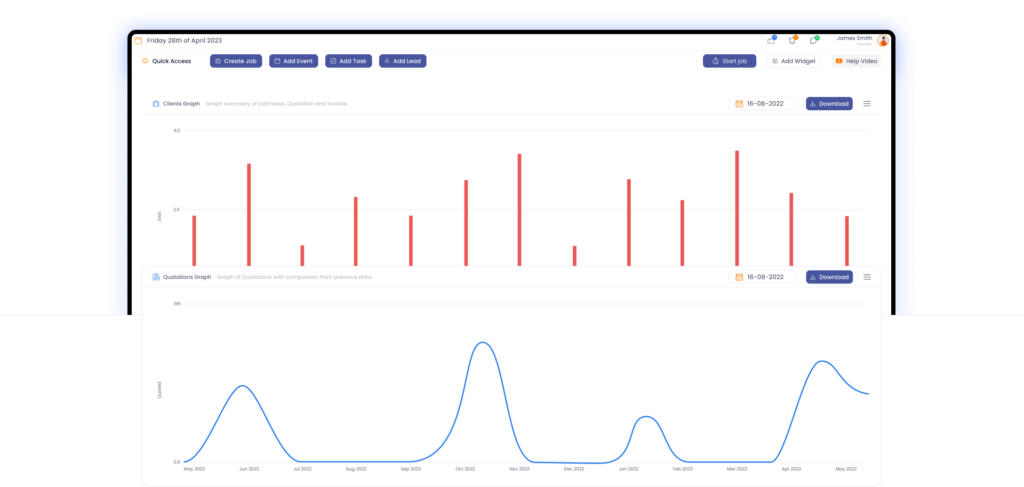
In the age of digital transformation, businesses are inundated with data. This data, when harnessed correctly, can provide invaluable insights into future trends and growth trajectories. Enter predictive analytics—a game-changer in the realm of business analytics.
What is Predictive Analytics?
Predictive analytics is the use of data, statistical algorithms, and machine learning techniques to identify the likelihood of future outcomes based on historical data. It goes beyond traditional descriptive analytics, which merely describes what has happened, and ventures into the realm of predicting what might happen next. This foresight is invaluable for businesses aiming to stay ahead of the curve.
The Role of Predictive Analytics in Business Growth
Predictive analytics is not just about number-crunching; it's about gleaning actionable insights from those numbers. By identifying trends, patterns, and anomalies in vast datasets, businesses can make informed decisions about future strategies. For instance, an e-commerce platform might use predictive analytics to forecast sales during the holiday season, allowing for better stock management and marketing strategies.
Benefits of Predictive Analytics
Improved Decision-Making: With data-driven insights at their fingertips, businesses can make decisions that are not based on gut feelings but on solid evidence.
Enhanced Customer Targeting: Predictive analytics can help businesses understand their customers better, leading to more personalized marketing campaigns.
Risk Mitigation: By predicting potential pitfalls, businesses can proactively address issues before they escalate.
Optimized Resource Allocation: Predict where resources are most needed and allocate them efficiently.
Key Tools and Techniques
The world of predictive analytics is rich with tools and techniques. Popular tools include Python libraries like Scikit-learn, R for statistical computing, and platforms like SAS. Machine learning models, especially regression models and neural networks, play a pivotal role in making accurate predictions. Additionally, big data platforms like Hadoop and Spark have made it easier to process and analyze vast amounts of data.
Challenges and Considerations
While predictive analytics offers numerous benefits, it's not without its challenges. Data privacy is a significant concern, especially with regulations like GDPR in place. Moreover, predictive models are only as good as the data they're trained on. Continuous model training and refinement are crucial to ensure accuracy.
Steps to Implement Predictive Analytics in Your Business
Assess Your Data Capabilities: Before diving in, understand your current data infrastructure.
Define Clear Objectives: Know what you want to achieve with predictive analytics.
Collaborate with Experts: Whether it's an in-house data scientist or an external consultant, get the right people on board.
Monitor and Iterate: Predictive analytics is not a one-time task. Continuously monitor your models and refine them as needed.
Conclusion
Predictive analytics holds the promise of transformative growth for businesses. By forecasting future trends and challenges, businesses can strategize proactively, ensuring they're always one step ahead. In the ever-evolving business landscape, predictive analytics is not just a tool; it's a necessity.
Don't let your business be left behind. Dive into the world of predictive analytics and harness the power of data-driven growth forecasting.
In the intricate world of construction, the relationship between operations and finance is like the gears of a well-oiled machine. When operations run smoothly, the financial health of the business thrives. However, even minor operational hiccups can have significant financial repercussions. This article delves into the symbiotic relationship between these two facets and offers best practices to ensure operational efficiency and, consequently, financial stability.
The Direct Link Between Operations and Financial Health
Operational efficiency is not just about completing tasks on time; it's about ensuring that every aspect of the project aligns with the budget. Delays in operations can escalate costs, and inefficiencies can eat into the project's budget, leading to financial strain. For instance, consider a construction project that faced repeated delays due to supply chain disruptions. The result? Increased costs, missed deadlines, and a compromised profit margin. Such real-world scenarios underscore the ripple effect of operational inefficiencies on a project's financial health.
Best Practices for Operational Efficiency
Planning and Forecasting: Accurate project estimations and budgeting are the cornerstones of financial health. By anticipating costs and setting realistic budgets, businesses can avoid unexpected financial pitfalls.
Resource Management: Efficiently allocating resources ensures that no money is wasted. Whether it's manpower, machinery, or materials, every resource should be utilized to its fullest potential to ensure financial efficiency.
Timely Communication: In the construction world, miscommunication can be costly. Ensuring all stakeholders are informed and aligned can prevent expensive misunderstandings and rework.
Risk Management: Every project comes with its set of risks. By identifying potential operational challenges and having strategies in place to mitigate them, businesses can avoid unexpected costs.
Continuous Monitoring: With the advent of technology, real-time data and analytics have become invaluable. Monitoring project progress allows for timely adjustments, ensuring operations stay on track and within budget.
Leveraging Technology for Operational Excellence
The digital age has brought a plethora of tools designed to streamline operations. Modern software not only aids in project management but also integrates operations with financial systems, offering a holistic view of the project's health. Tools like construction management software come equipped with features that assist in resource allocation, risk assessment, and real-time monitoring, ensuring that operations and finance move hand in hand.
The Financial Benefits of Operational Excellence
Operational efficiency directly translates to financial benefits. Cost savings achieved through streamlined operations boost profit margins. Moreover, businesses that consistently deliver projects on time and within budget build a reputation for reliability, attracting more clients and ensuring long-term financial growth.
In Conclusion
The intertwined relationship between operations and finance in the construction industry cannot be overstated. By investing in operational best practices, businesses not only ensure the smooth execution of projects but also safeguard their financial health. As the industry continues to evolve, those who prioritize operational efficiency will undoubtedly reap the financial rewards.
In today's fast-paced digital world, service-based businesses face the constant challenge of delivering consistent, high-quality services to their clients. With rising customer expectations and the ever-evolving landscape of service delivery, businesses are in dire need of efficient tools to optimize their processes. Enter CQ, a platform designed to address these challenges and revolutionize the way businesses operate.
The Modern Service Delivery Landscape
The digital age has brought about a shift in customer expectations. Clients today demand faster responses, transparent processes, and top-notch services. This has put immense pressure on businesses to up their game and ensure they are not only meeting but exceeding these expectations. Traditional service delivery models, with their inherent bottlenecks and inefficiencies, are no longer viable in this competitive market.
CQ's Comprehensive Suite of Tools
CQ offers a holistic platform equipped with a range of multifunctional capabilities tailored for service-based businesses. From real-time analytics that provide insights into operations to automated workflows that ensure seamless processes, CQ has it all. One of its standout features is the integrated communication tools, which foster collaboration among teams, ensuring that everyone is on the same page. Moreover, the platform's user-friendly interface and customization options make it a favorite among businesses.
Benefits of Using CQ for Service Delivery
Businesses that have integrated CQ into their operations have reported a myriad of benefits. Faster response times mean that clients no longer have to wait for extended periods, leading to increased customer satisfaction. The platform's emphasis on communication ensures fewer errors, reducing the need for rework and saving both time and money. Additionally, the consistent and reliable service delivery powered by CQ enhances the overall customer experience. With the added advantage of data-driven decision-making capabilities, businesses can make informed choices, further optimizing their processes.
Case Studies/Success Stories
Several businesses have reaped the benefits of integratingCQ into their service delivery processes. For instance, a renowned IT service provider reported a 30% increase in client satisfaction after adopting CQ. They attributed this to the platform's efficient workflows and communication tools, which drastically reduced service delivery times. Another success story comes from a financial consultancy firm that saw a 25% increase in operational efficiency post-CQ integration, thanks to the platform's real-time analytics and data-driven insights.
Staying Ahead of the Curve with CQ
In a market that's constantly evolving, CQ ensures that businesses always stay ahead of the curve. The platform is continuously updated to cater to changing business needs, ensuring that clients always have access to the latest tools and features. Moreover, its scalability ensures that it's a perfect fit for businesses, whether they're startups or established enterprises.
Conclusion In conclusion, streamlined service delivery is no longer a luxury but a necessity in today's competitive market. With platforms like CQ, businesses have the perfect ally to ensure they are always at the top of their game. If you're a business looking to optimize your service delivery and stay ahead of the competition, CQ is the way to go.
In today's fast-paced digital landscape, communication has evolved into an intricate dance between businesses and their clients. The advent of digital transformation has fundamentally changed the way companies interact with their customers. In this article, we will delve into the importance of client communication in the digital age and the critical role that transparency plays in building trust and lasting relationships.
The Digital Transformation Revolution
The digital transformation journey has touched virtually every industry, from retail and healthcare to manufacturing and financial services. One of the most profound changes has been the way businesses communicate with their clients. Traditional methods, such as face-to-face meetings and phone calls, have been supplemented, and in some cases supplanted, by digital tools and platforms.
Why Effective Client Communication Matters
Effective client communication is the bedrock of a successful business-client relationship. It goes beyond merely conveying information; it's about building trust, enhancing client satisfaction, and creating advocates for your brand. In the digital age, where information is abundant and choices are plenty, maintaining a strong connection with clients is essential for retaining their loyalty.
The Role of Transparency in Client Communication
Transparency is a key component of effective client communication. It means being open, honest, and forthright in your interactions with clients. When clients feel that a business is transparent, they are more likely to trust the information they receive. Transparency also fosters a sense of partnership, as clients feel they are on the same page as the businesses they work with.
Digital Tools for Client Communication
The digital age has provided businesses with a wealth of tools and platforms for communicating with clients. Here are some of the most impactful ones:
Email: Email remains a primary means of communication, offering the ability to share detailed information and documents.
Video Conferencing: Platforms like Zoom and Microsoft Teams have become indispensable for face-to-face meetings, regardless of geographical distances.
Messaging Apps: Apps like WhatsApp and Slack facilitate quick, real-time communication, making it easy to keep clients in the loop.
Customer Relationship Management (CRM) Software: CRMs help businesses track and manage client interactions, ensuring that no conversation falls through the cracks.
Personalization and Customization
Personalization is about tailoring your communication to individual clients. It acknowledges that one size doesn't fit all. Personalized messages, recommendations, and solutions make clients feel valued and understood. It's about going the extra mile to provide a unique experience for each client.
Challenges and Solutions
While the digital age offers numerous benefits, it also presents challenges. Common challenges include information overload, misinterpretation of digital messages, and cybersecurity concerns. To address these challenges, businesses can invest in training to improve digital communication skills, utilize secure communication channels, and implement clear communication policies.
Future Trends in Client Communication
The landscape of client communication continues to evolve. Emerging trends include the integration of AI-driven chatbots for instant customer support, virtual reality meetings for immersive client interactions, and the impact of remote work on client relationships. Keeping an eye on these trends can help businesses stay ahead of the curve.
Tips for Effective Client Communication
To enhance your client communication strategies in the digital age:
Understand Your Clients: Take the time to understand your clients' needs, preferences, and communication style.
Use the Right Channels: Choose the communication channels that align with your clients' preferences and the nature of the message.
Invest in Training: Train your teams in effective digital communication, including email etiquette and video conferencing best practices.
Prioritize Security: Ensure the security of client data and sensitive information when communicating digitally.
Collect and Act on Feedback: Regularly seek feedback from clients and use it to improve your communication practices.
Conclusion
In the digital age, client communication is no longer a one-size-fits-all endeavor. It's about leveraging a plethora of digital tools, embracing transparency, and personalizing interactions to build lasting relationships. By staying connected and transparent, businesses can navigate the evolving landscape of client communication successfully.
In today's fast-paced business environment, data is often hailed as the new oil. But not just any data - real-time data. The ability to access and leverage real-time data has become a game-changer for organizations looking to make informed decisions swiftly. In this article, we will explore the significant benefits of real-time data in business decision-making.
Understanding Real-time Data
Before diving into the advantages, it's essential to grasp what real-time data means. Real-time data is information that is collected, processed, and made available instantly. It differs from traditional data sources, which might have a delay before the data becomes accessible. Real-time data can come from various sources, including IoT devices, sensors, social media, website analytics, and more.
Speed and Agility
One of the most significant advantages of real-time data is speed and agility in decision-making. In a rapidly changing business landscape, the ability to react swiftly to emerging trends, market shifts, or customer preferences can be a game-changer. For instance, an e-commerce company can adjust its marketing strategy in real-time based on customer behavior, leading to increased sales and customer satisfaction.
Improved Accuracy and Precision
Real-time data also enhances decision accuracy and precision. Traditional batch processing methods can introduce delays and inaccuracies, which can be costly. With real-time data, organizations can make decisions based on the freshest and most accurate information available. This leads to better planning, reduced errors, and improved outcomes.
Businesses that leverage real-time data can provide a superior customer experience. For example, a streaming service can recommend personalized content based on a user's viewing habits in real-time. Similarly, online retailers can offer tailored product recommendations as customers browse their websites. These personalized experiences not only drive customer satisfaction but also increase sales and customer loyalty.
Competitive Advantage
The use of real-time data can provide a competitive advantage. Organizations that can harness data for quick and precise decision-making outperform their competitors. For instance, a financial institution that uses real-time market data to make investment decisions can stay ahead of market trends and secure better returns for clients.
Cost Savings
Real-time data can lead to cost savings through better resource allocation and optimization. Manufacturers can use real-time data from sensors to predict machine failures and schedule maintenance proactively, reducing downtime and maintenance costs. Similarly, supply chain operations can optimize inventory levels, minimizing carrying costs and reducing waste.
Challenges and Considerations
While the benefits of real-time data are compelling, there are challenges to consider. Data security and privacy must be a top priority when handling sensitive information in real-time. Organizations must also invest in the necessary infrastructure and talent to collect, process, and analyze data rapidly.
Tools and Technologies
A variety of tools and technologies are available to help organizations harness real-time data. These include data analytics platforms, machine learning algorithms, and data visualization tools. Each of these tools has unique features and benefits, and the choice depends on specific business needs.
Conclusion
In conclusion, real-time data is a powerful asset for organizations looking to thrive in today's dynamic business landscape. The benefits, including speed, accuracy, enhanced customer experience, and cost savings, make real-time data an essential tool for informed decision-making. However, organizations must also address challenges and invest in the right tools and technologies to unlock the full potential of real-time data. Embracing real-time data can provide the competitive edge needed to succeed in a rapidly evolving business world.
In the traditional service business model, lead management is viewed strictly through the lens of sales. The objective is simple: capture the enquiry, pitch the service, and win the job. Once the quote is signed, the sales team's job is done, and the project is thrown over the fence to the operations team to deliver.
This mindset is one of the most common barriers to scalable growth.
When lead management is treated purely as a sales activity, the focus is entirely on revenue generation, often at the expense of profitability and deliverability. To build a mature, scalable business, leadership must shift their perspective: lead management is the first step in an operational process.
This approach prevents the revenue leakage that plagues disconnected businesses.
The Problem with Disconnected Systems
When sales operates in a vacuum, disconnected from the realities of delivery, the business suffers.
Sales teams using standalone CRMs or spreadsheets are incentivised to win work, regardless of whether that work is a good fit for the business's current capacity or historical profit margins. They might promise aggressive timelines without visibility into the scheduling board. They might agree to custom requests without consulting the estimation team on the true cost of delivery.
This disconnected approach creates a chaotic operational environment. The delivery team receives projects with unrealistic expectations, incomplete information, and razor-thin margins. The business might be generating high revenue, but the lack of a single source of truth means that profitability is constantly eroding.
The CQ Connected Workflow
To achieve operational maturity, a business must integrate its front-end sales with its back-end delivery. Connected workflows create operational visibility, ensuring that the process of winning work is perfectly aligned with the process of delivering it.
In a truly integrated system, the CRM is just the starting point of a single connected record. When a quote is built using live supplier pricing and approved by the client, it converts into a live job with one action. The intended profit from the quote is locked in as the financial target, allowing the business to track actual costs against intended profit in real time as the job is delivered.
The Impact on the Business
Treating lead management as an operational process fundamentally changes the quality of the work a business takes on.
It allows leadership to make better decisions based on data, rather than gut feeling. You can analyse which lead sources generate the most profitable projects, not just the highest volume of enquiries. You can identify which types of work consistently cause operational bottlenecks and adjust your sales strategy accordingly.
This alignment between sales and operations is the hallmark of a mature service business. It ensures that revenue growth translates directly into profit growth, creating a stable foundation for long-term success.
Conclusion
Winning a job is only valuable if the business can deliver it profitably and efficiently. When lead management is isolated from operations, it creates friction, miscommunication, and margin erosion. By adopting a connected workflow, service businesses can ensure that their sales efforts are perfectly aligned with their operational capacity, driving sustainable, profitable growth.
If you're evaluating ways to improve lead management and customer workflows, explore our CRM & Sales Operations resources or book a personalised demo to see how CQ connects sales, delivery and finance in a single workflow.
In the dynamic world of construction, financial challenges are a constant. While most businesses focus on the obvious costs, it's the hidden ones that often slip through the cracks, impacting profitability. Recognizing and managing these concealed expenses is crucial for a successful project outcome.
Understanding Hidden Costs
Hidden costs in construction refer to unexpected expenses that aren't immediately apparent or budgeted for. These costs can arise from various sources, and if not addressed, they can significantly impact a project's bottom line. For instance, a minor error in the initial stages can lead to substantial rework costs later on.
Common Hidden Costs in Construction
Rework: Errors, whether from design flaws or on-site mistakes, can lead to costly rework. Changes in client requirements can also result in modifications, adding to the expenses.
Equipment Maintenance: While regular maintenance is expected, unexpected repairs can strain the budget.
Permitting Delays: Regulatory issues can halt work, leading to project delays and increased costs.
Inefficient Labor Utilization: Not optimizing the workforce can result in wasted man-hours and increased labor costs.
Unplanned Overtime: Extended work hours that weren't accounted for can inflate labor costs.
Material Wastage: Inefficient material handling and theft can lead to increased material costs.
Inadequate Training: Untrained workers are more likely to make mistakes, leading to rework and added expenses.
The Ripple Effect of Hidden Costs
A minor oversight or unplanned expense can have a cascading effect on a project. For instance, a delay in one phase can push back subsequent phases, leading to increased labor and equipment costs. Over time, these accumulating hidden costs can jeopardize the financial health of a construction business.
Strategies to Identify Hidden Costs
Regular Audits: Periodic financial reviews can help identify cost overruns and areas of concern.
Advanced Tracking Software: Modern management software can track expenses in real-time, offering insights into potential hidden costs.
Open Communication: Encouraging team members to report issues can help in early identification of potential cost drivers.
Training: Regular training sessions ensure that workers are equipped to identify and report problems, reducing the chances of costly mistakes.
Effective Measures to Tackle Hidden Costs
Quality Equipment: Investing in reliable equipment reduces the chances of unexpected breakdowns.
Efficient Planning: Proper scheduling can help avoid delays and the associated costs.
Skill Development: Training workers ensures efficiency and reduces mistakes.
Waste Reduction: Implementing strategies to minimize material wastage can save costs.
Technology: Modern software solutions can monitor expenses, helping control and reduce hidden costs.
Case Study: A Real-world Example
Consider the case of "BuildTech Inc.," a construction company that faced significant cost overruns in a major project. On analyzing, they identified multiple hidden costs, including rework and material wastage. By implementing a robust tracking system and investing in worker training, they managed to reduce these hidden costs by 30% in their subsequent projects.
Conclusion
In the intricate realm of construction, hidden costs can be the difference between profit and loss. By being proactive, businesses can identify these costs early on and implement strategies to tackle them, ensuring project success and profitability.
Are hidden costs affecting your construction operations? It's time to assess, understand, and act. Implement the strategies mentioned above and safeguard your projects from unexpected financial pitfalls.
Project management is the backbone of successful execution in any organization. It ensures that tasks are organized, timelines are met, and resources are allocated effectively. Over the years, project management tools have evolved significantly, moving from traditional Gantt charts to modern task management systems. In this article, we'll explore this transition and how it has revolutionized the way we organize and execute work efficiently.
Introduction to Project Management Tools
Project management tools have long been essential for overseeing tasks, projects, and teams. They help in visualizing project timelines, assigning responsibilities, and tracking progress. Traditionally, Gantt charts were the go-to method for project planning and management.
Traditional Gantt Charts
Gantt charts, named after their creator Henry L. Gantt, have been in use since the early 20th century. These bar charts provided a visual representation of project schedules, showing tasks on a timeline. They offered several advantages:
Visualization: Gantt charts offered a clear, visual representation of project timelines, making it easier to understand the project's structure and dependencies.
Historical Significance: They played a crucial role in managing major construction projects and were used in various industries to plan and execute work.
However, Gantt charts had their limitations.
Challenges with Gantt Charts
As projects grew in complexity and organizations embraced digital transformation, Gantt charts faced several challenges:
Real-time Updates: Gantt charts were static, making it difficult to incorporate real-time updates. Project changes often resulted in manual adjustments to the chart.
Collaboration:Collaboration among team members was limited, and sharing physical charts made it challenging to keep everyone on the same page.
Adaptability: Gantt charts struggled to adapt to changes in project scope or unexpected delays.
Evolution to Modern Task Management
Recognizing the limitations of Gantt charts, organizations began transitioning to modern task management systems. These systems provided dynamic solutions to project management challenges:
Features and Benefits of Task Management Systems
Real-time Updates: Modern task management systems operate in the cloud, allowing teams to access and update project data in real time. This ensures that everyone has access to the latest information.
Collaboration: They provide collaboration features, enabling team members to communicate, share files, and work together seamlessly.
Flexibility: Task management systems are highly adaptable, making it easier to accommodate changes and unforeseen challenges.
Case Study 2: Construction Project
In the construction industry, where timelines are critical, a construction firm adopted task management software. This allowed them to coordinate activities across various teams, monitor material deliveries, and ensure adherence to safety protocols. The result was a 15% reduction in project completion time.
Choosing the Right Tool
The choice between Gantt charts and task management systems depends on various factors, including project size, complexity, and team dynamics. For large, dynamic projects with distributed teams, modern task management systems are often the preferred choice. However, for simpler projects, Gantt charts can still be effective.
Implementation Tips
Transitioning to a task management system requires careful planning:
Training: Ensure that your team is well-trained in using the new system.
Data Migration: Transfer relevant data from your Gantt charts to the new system.
Change Management: Communicate the benefits of the new system to your team and address any concerns.
Future Trends
The project management landscape continues to evolve. Emerging trends include the integration of AI for predictive analysis, automation of routine tasks, and data analytics for improved decision-making.
Conclusion
The transition from Gantt charts to modern task management systems represents a significant shift in how we organize and execute work efficiently. While Gantt charts served their purpose historically, the dynamic, collaborative, and adaptable nature of task management systems makes them the preferred choice for many organizations today. As technology continues to advance, embracing these tools is key to staying competitive and ensuring project success in the digital age. It's vital to see how these tools fir together inside a wider array of tools inside powerful project management software, which is the future of all project management going forward.
In the world of construction, where complexity and collaboration reign supreme, communication is the linchpin that holds projects together. Effective communication isn't just a matter of convenience; it's the cornerstone of client satisfaction. In this article, we delve into the profound impact of clear and proactive communication on client relationships and project outcomes in the construction industry.
Understanding the Significance of Client Satisfaction
Client satisfaction is a measure of how well a construction project meets the expectations and needs of the client. It's more than a simple metric; it's a reflection of trust, quality, and professionalism. Satisfied clients are more likely to become repeat customers and advocates for your services. On the flip side, dissatisfied clients can tarnish your reputation and limit future opportunities.
The Communication Challenge in Construction
Construction projects are notorious for their complex web of stakeholders, technical details, and tight schedules. Managing this complexity requires effective communication. However, the construction industry faces unique communication challenges:
Diverse Stakeholders: Projects involve a multitude of stakeholders, from architects and engineers to contractors and subcontractors. Ensuring everyone is on the same page is no small feat.
Technical Information:Construction projects are laden with technical details that must be communicated accurately. Misunderstandings can lead to costly errors.
Transparency: Clients demand transparency in every aspect of the project. From budgets to timelines, they expect to be kept informed.
Clarity: Messages must be clear, concise, and easily understood. Ambiguity can lead to confusion and mistakes.
Timeliness: Information should be communicated in a timely manner. Delays in communication can result in project setbacks.
Relevance: Communication should be relevant to the recipient's needs and interests. Clients, for instance, need information that helps them make decisions.
Building Trust Through Communication
Trust is a fragile yet essential element in client relationships. Transparent and honest communication is the bedrock on which trust is built. When clients believe they're being kept in the loop and that their concerns are being addressed, trust flourishes.
Conversely, poor communication can erode trust. Delayed responses, unaddressed concerns, and lack of transparency can breed skepticism and dissatisfaction.
Proactive vs. Reactive Communication
Proactive communication involves anticipating issues and addressing them before they become problems. In construction, this might mean informing clients about potential delays or cost overruns and presenting solutions.
Reactive communication, on the other hand, occurs when issues are addressed after they've already caused disruptions. Clients generally prefer proactive communication, as it demonstrates foresight and commitment to their interests.
Client Expectations and Involvement
Client expectations regarding communication should be established at the project's outset. Some clients prefer frequent updates, while others may prefer less frequent but comprehensive reports. Understanding and meeting these preferences is essential.
Involving clients in key decisions, especially when changes or challenges arise, fosters a sense of ownership and control. It also ensures that the project aligns with their vision.
Communication Tools and Technologies
Modern construction benefits from a range of communication tools and technologies. Project management software, collaboration platforms, and mobile apps facilitate real-time communication. They provide a central hub for sharing documents, updates, and progress reports.
Overcoming Communication Barriers
Communication barriers can hinder effective interaction in construction projects. Language differences, technical jargon, and misaligned expectations are common hurdles. To overcome these barriers:
Use plain language when explaining technical concepts.
Provide translations or interpreters when necessary.
Ensure that all parties share a common understanding of project goals and objectives.
Client Feedback and Listening
Actively seeking client feedback and genuinely listening to their concerns are critical components of effective communication. Feedback loops allow construction teams to address issues promptly, make necessary adjustments, and demonstrate a commitment to improvement.
Challenges and Considerations
While effective communication is paramount, challenges can arise. Privacy concerns, regulatory compliance, and contractual obligations are among the considerations that construction professionals must navigate when communicating with clients.
The Connection Between Communication and Project Success
Beyond client satisfaction, effective communication plays a pivotal role in overall project success. It influences project timelines, budget adherence, and quality outcomes. By keeping everyone informed and aligned, construction teams can mitigate risks and optimize project performance.
Conclusion
In the construction industry, communication isn't just a means to an end; it's the glue that holds projects together and fosters client satisfaction. Transparent and proactive communication builds trust, aligns expectations, and ultimately ensures that clients walk away from a project not just satisfied but delighted.
In the age of digital transformation, business analytics has emerged as a cornerstone of decision-making. As we stand on the cusp of a new era, let's delve into the future trends of business analytics and how they promise to reshape the business landscape.
Introduction
From its humble beginnings as simple data collection to the sophisticated predictive models of today, business analytics has come a long way. In today's hyper-competitive market, data-driven decisions are not just a luxury but a necessity.
The Growing Importance of Real-time Analytics
The digital age is fast-paced. Decisions made today can become obsolete tomorrow. This has given rise to the need for real-time data. With real-time analytics, businesses can react to market changes instantaneously, gaining a significant competitive edge. For instance, a leading e-commerce platform recently leveraged real-time analytics to adjust its marketing strategies on the fly during a major sale, resulting in record-breaking revenue.
Integration of AI and Machine Learning in Business Analytics
Artificial Intelligence (AI) and Machine Learning (ML) are no longer just buzzwords. They are revolutionizing predictive analytics. From customer behavior prediction to inventory management, AI-driven insights are proving invaluable. However, with great power comes great responsibility. As we integrate AI deeper into analytics, ethical considerations, especially around data privacy, become paramount.
The Rise of Augmented Analytics
Enter augmented analytics – the next evolution in data analysis. By leveraging AI, augmented analytics simplifies data discovery, making it accessible even to non-experts. This democratization of data means that insights are no longer confined to the boardroom but can influence decisions at every organizational level.
Data Privacy and Security Concerns
With the increasing volume of data comes the challenge of keeping it secure. Regulations like GDPR and CCPA have put data privacy in the spotlight. For businesses, this means walking the tightrope between ensuring data accessibility for insights and maintaining stringent data security protocols.
The Role of Edge Computing in Business Analytics
The future of data processing lies at the edge. Edge computing, which involves processing data closer to its source, promises reduced latency and faster insights. For businesses, this could mean rethinking their data infrastructure investments.
The Future of Data Visualization
Data, in its raw form, can be overwhelming. Enter data visualization. With emerging technologies like Virtual Reality (VR) and Augmented Reality (AR), data visualization is set to become more immersive, making insights clearer and decisions more informed.
Conclusion: The future of business analytics is rife with possibilities. From real-time insights to AI-driven predictions, the next phase promises to be more dynamic and impactful. As we move forward, staying updated and embracing the latest in analytics technology will be the key for businesses to thrive and stay competitive. The world of business analytics is evolving rapidly. Don't be left behind. Explore the latest tools and technologies, and consider how they can revolutionize your business operations.
In today's fast-paced and competitive business landscape, effective project management is not just an option; it's a necessity. Regardless of the size or industry of your business, project management plays a pivotal role in achieving success. In this article, we'll delve into the reasons why every business needs effective project management and how it can make a difference.
Efficiency and Resource Optimization
One of the primary benefits of effective project management is improved efficiency. Projects are executed more smoothly, with tasks well-defined and resources allocated optimally. This translates to cost savings, as wastage is reduced, and resources are utilized efficiently. Businesses that excel in resource optimization have a competitive edge in a world where every dollar matters.
Goal Achievement and Strategy Alignment
Projects are not isolated endeavors; they should align with the broader goals and strategies of the business. Effective project management ensures that projects are initiated, executed, and closed with a clear understanding of how they contribute to the organization's success. This alignment keeps everyone focused on achieving the right objectives.
Risk Mitigation and Problem-Solving
In the business world, challenges and risks are inevitable. Effective project management software equips teams with the tools and strategies to identify and mitigate risks effectively. Project managers are problem-solvers who anticipate issues and implement solutions promptly. This proactive approach can save businesses from costly setbacks.
Improved Communication and Collaboration
Effective project management fosters clear communication and collaboration among team members, stakeholders, and even different departments within the organization. Modern project management tools and techniques facilitate the exchange of information, making it easier for teams to work together seamlessly.
Time Management and Timely Delivery
Meeting deadlines is critical for businesses, especially when it comes to delivering products, services, or projects to customers. Effective project management methodologies like Gantt charts and Agile enable businesses to manage time efficiently, ensuring that projects are completed on schedule.
Customer Satisfaction and Reputation Building
Satisfied customers are more likely to become loyal advocates for your business. Effective project management ensures that projects meet or exceed customer expectations. When customers receive what they were promised on time and within budget, they are more likely to return and recommend your services. This not only leads to customer satisfaction but also builds a positive brand reputation.
Scalability and Growth
As businesses evolve and grow, they often take on more significant projects and expand their operations. Effective project management allows businesses to scale their activities without compromising quality. It provides the framework needed to handle larger and more complex projects, facilitating business growth.
Adaptability in a Changing Landscape
The business landscape is constantly changing, and adaptability is a valuable trait. Effective project management methodologies like Agile enable businesses to pivot quickly in response to market shifts or unexpected disruptions. They can change course, reprioritize projects, and remain competitive in dynamic environments.
Conclusion
Effective project management is not a luxury; it's a strategic advantage that every business should embrace. It enhances efficiency, aligns projects with strategic goals, mitigates risks, improves communication, and ensures timely delivery. Moreover, it fosters customer satisfaction, supports scalability, and equips businesses to adapt to a constantly changing landscape.
In the intricate web of business functions, two core pillars stand out: finance and operations. While they may seem like distinct entities, their relationship is deeply intertwined, creating a symbiotic dynamic crucial for a company's success. This article delves into the interdependence of these two functions and underscores the benefits of their collaboration.
Understanding the Individual Roles
Finance: At its core, finance is the backbone of any business. It encompasses budgeting, forecasting, financial reporting, and ensuring liquidity. A company's financial health is paramount, acting as the lifeblood that sustains growth and stability.
Operations: Operations, on the other hand, is the heart that pumps this lifeblood. It ensures the smooth running of daily business activities, manages resources, and oversees the production or service delivery. The efficiency of operations directly correlates with a company's profitability.
The Intersection of Finance and Operations
Budgeting and Operational Planning: Financial budgeting is not just about numbers; it's a roadmap for operational decisions. Every operational activity, from hiring new staff to procuring materials, is influenced by the budget. Conversely, operations play a pivotal role in ensuring activities stay within these budgetary constraints.
Investment in Operational Resources:Finance dictates where and how resources are allocated for operations. Whether it's investing in new machinery or training programs, the return on investment hinges on operational enhancements and their outcomes.
Risk Management: Every operational decision carries financial implications. An operational delay can inflate costs, while a financial cutback can hamper operational efficiency. Recognizing and mitigating these risks is crucial for both departments.
Benefits of a Collaborative Approach
Informed Decision-Making: Financial data isn't just for accountants. When operations teams have access to this data, they can make informed decisions that align with the company's financial goals. Similarly, feedback from operations can guide better financial planning.
Enhanced Profitability: Operational efficiency doesn't just improve workflows; it boosts the bottom line. When operations are streamlined, costs decrease, leading to improved financial health. Conversely, astute financial management provides operations with the resources they need to thrive.
Agility and Adaptability: In today's fast-paced business world, adaptability is key. Financial flexibility allows operations to pivot when needed, while operational resilience ensures that financial goals are met even in challenging times.
Real-world Examples
Consider a manufacturing company that invested heavily in automation based on financial projections. This investment, guided by financial data, led to operational efficiencies that reduced production time and costs, resulting in increased profitability.
Another example is a service-based company that faced financial constraints. Feedback from the operations team led to a reallocation of funds, ensuring that critical projects were not hampered, safeguarding the company's revenue streams.
Conclusion
The relationship between finance and operations is not just symbiotic; it's synergistic. When these two functions collaborate, they create a powerhouse that drives holistic business growth. For companies looking to scale new heights, fostering this collaboration isn't just recommended; it's essential.