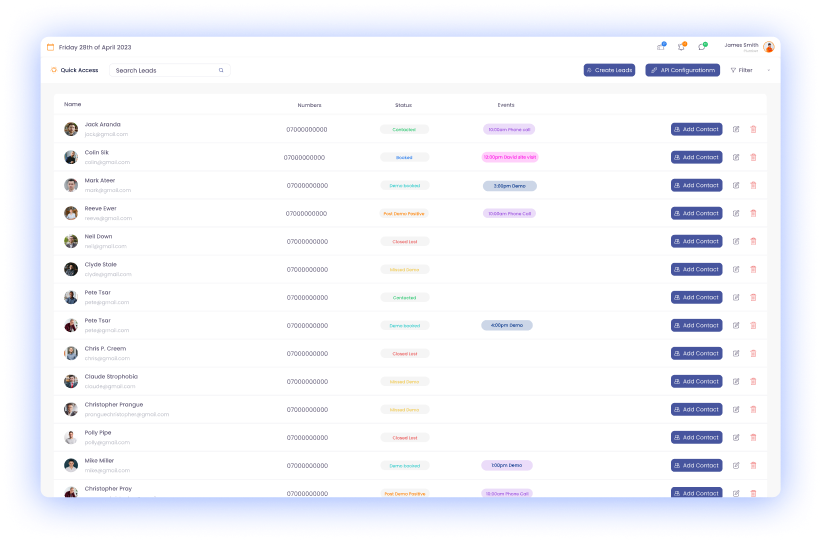
In the fast-paced world of business, efficiency is key. Every organization, regardless of its size or industry, strives to streamline its operations and cut unnecessary costs. One area where efficiency can make a significant impact is in financial processes. Enter integrated invoicing systems – the unsung heroes that can simplify financial tasks, enhance accuracy, and transform the way businesses manage their finances.
The Role of Invoicing Systems in Business
Before we delve into the benefits of integrated invoicing systems, let's first understand their fundamental role in business. Invoicing is the backbone of financial transactions. It's the process of creating and sending bills for products or services provided to clients or customers. In the past, invoicing was a manual and time-consuming task. However, with the advent of technology, invoicing systems have evolved to become an integral part of modern business operations.
Challenges Without Integrated Invoicing Systems
Without integrated invoicing systems, businesses often face a multitude of challenges. Manual invoicing processes are prone to errors, leading to discrepancies in financial records. The lack of transparency in these processes can cause misunderstandings with clients or vendors, resulting in disputes that consume valuable time and resources. Inefficient invoicing systems can also slow down cash flow, affecting a company's ability to meet its financial obligations promptly.
Benefits of Integrated Invoicing Systems
Improved Accuracy and Transparency: Integrated invoicing systems significantly reduce the margin for error. These systems automatically generate invoices, ensuring that details are accurate and consistent. This accuracy fosters transparency, as clients and vendors can easily access and verify invoices.
Enhanced Client and Vendor Relationships: Timely and accurate invoices contribute to positive relationships with clients and vendors. When clients receive well-documented, error-free invoices, it enhances their trust in your business, potentially leading to repeat business and referrals.
Automation and Efficiency: Perhaps one of the most significant advantages of integrated invoicing systems is automation. These systems handle tasks like invoice creation, distribution, and even payment processing. Automation reduces the need for manual data entry and other repetitive tasks, allowing employees to focus on more strategic and value-added activities.
Security and Compliance: In an era of data breaches and increasing regulations, security and compliance are paramount. Integrated invoicing systems offer robust security measures to protect sensitive financial information. They also help ensure that businesses comply with industry-specific and regional regulations.
Conclusion
In conclusion, integrated invoicing systems are more than just tools for generating bills. They are essential components of efficient financial processes. These systems enhance accuracy, transparency, and automation, leading to improved client relationships and financial insights. By embracing integrated invoicing solutions, businesses can simplify their financial operations and focus on what they do best – growing and thriving in the competitive marketplace.
In the ever-changing landscape of business, financial health is the lifeblood that keeps organizations thriving. A key component of maintaining this health is diligent profit and loss (P&L) tracking. This financial practice is akin to monitoring a business's vital signs, providing critical insights into its financial well-being. In this article, we will explore why P&L tracking is essential for businesses and how it plays a pivotal role in shaping their financial destinies.
Understanding Profit and Loss Statements
Before we delve into the significance of profit and loss tracking, it's essential to understand what a P&L statement is. Often referred to as an income statement, it is a financial report that summarizes a company's revenues, costs, and expenses during a specific period. The P&L statement reveals the net profit or loss resulting from the company's operations during that time frame.
The key components of a P&L statement include:
Revenue: This section represents the total income generated from sales or services.
Expenses: It includes the various costs associated with running the business, such as operating expenses, salaries, and interest payments.
Gross Profit: Gross profit is the revenue minus the cost of goods sold (COGS). It shows how much money a company makes after accounting for the direct costs of production.
Net Profit: Also known as the bottom line, net profit is the remaining profit after deducting all expenses, including taxes.
Performance Assessment: P&L tracking helps evaluate the performance of a business over time. It provides insights into whether the company is operating efficiently, generating profits, or incurring losses.
Decision-Making: Business leaders rely on P&L statements to make informed decisions. Whether it's expanding operations, investing in new projects, or cutting costs, the P&L statement is a crucial reference point.
Financial Stability: Tracking profits and losses ensures financial stability. By identifying potential financial issues early on, a business can take corrective actions and prevent financial crises.
Benefits of Effective P&L Tracking
Effective P&L tracking offers a multitude of benefits, including:
Strategic Decision-Making: It provides valuable data for strategic planning and helps in setting realistic financial goals.
Expense Management: By monitoring expenses closely, businesses can identify areas where cost reductions or optimizations are possible.
Investor Confidence: Transparent P&L reporting instills confidence in investors and stakeholders, fostering trust in the organization.
Common Challenges and Pitfalls
While profit and loss tracking is undeniably crucial, it's not without its challenges. Some common issues include:
Data Accuracy: Inaccurate or incomplete data can lead to incorrect financial assessments. Timeliness and precision in data entry are paramount.
Overlooking Non-Financial Factors: Relying solely on financial metrics might cause businesses to overlook critical non-financial factors like customer satisfaction or employee morale.
Best Practices for Profit and Loss Tracking
To make the most of P&L tracking, businesses should consider these best practices:
Use Accounting Software: Investing in robust accounting software streamlines the tracking process and reduces human error.
Regular Reconciliation: Reconcile financial data regularly to ensure it aligns with bank statements and other financial records.
Seek Professional Guidance: Consider consulting with financial experts or accountants for a more comprehensive understanding of your P&L statements.
Conclusion
Profit and loss tracking is undeniably the heartbeat of a business's financial health. It empowers organizations to make informed decisions, maintain financial stability, and steer towards profitability. By embracing this practice and adhering to best practices, businesses can ensure they are always on the path to success, no matter the economic landscape.
In the fast-paced world of modern business, efficiency is key. One area where efficiency can make a significant impact is document creation and management. Gone are the days of traditional paper-based documents and time-consuming manual processes. Today, businesses are increasingly turning to integrated document creation tools to streamline their workflows and boost productivity. In this article, we'll explore the role of these tools and how they are revolutionizing the way businesses operate.
The Role of Document Creation Tools
Document creation tools have always played a crucial role in businesses of all sizes and industries. Whether it's drafting contracts, creating reports, or designing marketing materials, documents are the lifeblood of organizations. However, the traditional methods of document creation often involved time-consuming processes, multiple drafts, and significant room for errors.
With the advent of digital technology, document creation tools have evolved to address these challenges. They have become indispensable tools that not only create documents but also facilitate collaboration, version control, and accessibility.
The Evolution of Document Creation
The evolution of document creation tools can be traced from the era of typewriters to the digital age. Gone are the days when typists would painstakingly type each page of a document. Today, digital document creation has become the norm, enabling businesses to save time and resources.
According to statistics, the use of digital document management systems has grown significantly over the years, with a clear trend toward a paperless office environment. This shift has been accelerated by the need for remote work solutions and the desire to reduce the environmental footprint.
Benefits of Integrated Document Creation Tools
Integrated document creation tools offer a wide range of benefits. First and foremost, they streamline the document creation process, reducing the time and effort required to produce high-quality documents. Here are some key advantages:
Real-time Collaboration
Teams can collaborate on documents in real-time, making it easy to work on projects together, no matter where team members are located. This eliminates the need for back-and-forth emails and ensures everyone is on the same page.
Version Control
Integrated tools provide version control features, allowing users to track changes, revert to previous versions, and ensure document accuracy. This is particularly valuable for compliance and quality control.
Accessibility
Documents can be accessed from anywhere with an internet connection, making it easier for remote workers to contribute and access necessary materials. This accessibility boosts productivity and flexibility.
Reduced Errors
Integrated tools often include templates, automated formatting, and spell-check features, reducing the chances of errors in documents. This leads to higher-quality outputs.
Features and Functionality
Integrated document creation tools come with a wide range of features and functionalities designed to enhance workflow efficiency. These tools often offer:
Templates: Ready-made templates for various types of documents, saving time and ensuring a consistent format.
Automation: Automation of repetitive tasks like data entry, calculations, and document assembly.
Formatting: Easy formatting options for text, tables, images, and charts to create polished documents.
Search Functionality: Quick and easy search capabilities to find specific content within documents.
Integration with Other Business Systems
To maximize efficiency, integrated document creation tools can be seamlessly integrated with other business software systems. For example:
Project Management: Documents related to specific projects can be linked directly to project management software for easy tracking and collaboration.
Customer Relationship Management (CRM): CRM integration allows for the creation of customized proposals and contracts directly from customer data.
Communication Tools: Integration with communication tools ensures that the latest documents are readily available for team discussions and meetings.
Challenges and Considerations
While integrated document creation tools offer numerous benefits, it's essential to consider potential challenges and limitations. These may include:
Learning Curve: Some team members may need training to fully utilize the features of these tools.
Data Security: Storing documents in the cloud raises concerns about data security and compliance, which must be addressed.
Compatibility: Ensuring that integrated tools are compatible with existing software systems can be a complex task.
Real-Life Success Stories
To illustrate the impact of integrated document creation tools, let's take a look at some real-life success stories:
Future Trends and Predictions
The future of integrated document creation tools is promising. We can expect to see:
Enhanced AI Integration: Artificial intelligence will play a more prominent role in automating document creation and improving content quality.
Increased Mobile Access: Tools will be optimized for mobile devices to cater to the needs of remote and on-the-go professionals.
Advanced Collaboration Features: Enhanced collaboration features will continue to facilitate seamless teamwork.
Conclusion
Integrated document creation tools have become indispensable for businesses aiming to streamline their workflows and enhance productivity. By automating processes, facilitating collaboration, and improving document accessibility, these tools are changing the way organizations operate. As technology continues to evolve, we can expect even more innovations in document creation, further transforming the business landscape.
## The multi-site route problem
Managing routes across multiple depots or sites turns straightforward schedules into a logistical burden. Fuel bills climb, crews spend hours driving between jobs, and the capacity to complete additional work disappears under the weight of avoidable travel. These are not minor irritations — they directly erode margins and customer responsiveness.
Working with growing service businesses, we often see route planning revert to spreadsheets, whiteboards and ad-hoc phone calls between sites. The result is inconsistent routing logic, duplicated journeys and teams that operate well below their productive potential.
## What unified route mapping means for multi-site operations
Unified route mapping brings all site schedules, vehicle locations and job details into a single visual plan. Instead of each site organising its own patch, the whole operation is planned with awareness of:
- depot locations and nearest crews
- job time windows and skill requirements
- real-time travel times and traffic
- vehicle capacity and return-to-depot constraints
This central view lets dispatchers and managers make decisions that are optimal for the company, not just for an individual site.
In practice, many service businesses tell us their first visible benefit is a reduction in duplicate travel — the same crew no longer drives past a job that a nearby depot has scheduled.
## How unified mapping cuts fuel costs
Fuel waste in multi-site operations happens in predictable ways:
- crews travel longer distances to jobs that could have been handled by a nearer depot
- routes are planned without realistic drive-time estimates, causing excessive backtracking
- vehicles return to different depots unnecessarily, increasing empty running
Unified route mapping reduces these wastes by:
- assigning jobs to the nearest appropriate crew or depot
- consolidating geographically clustered jobs into single loops
- planning return legs to minimise empty mileage
The financial impact is straightforward: fewer miles driven equals lower fuel spend and reduced maintenance pressure on vehicles. Over time, these savings compound because optimised routing prevents the overtime and reactive scheduling that otherwise inflate fuel and labour costs.
## Reducing non-billable travel time
Non-billable travel is work time the business cannot invoice: travelling between jobs, returning to depot for parts, or waiting because the day was poorly sequenced. For multi-site operations, this commonly scales with complexity.
Unified route mapping cuts non-billable time through several mechanisms:
- sequence optimisation: jobs are ordered to minimise travel between appointments
- time-window alignment: schedules respect customer availability so crews spend less waiting or rebooking
- dynamic rerouting: jobs are reallocated in real time when delays or cancellations occur, preventing long transits to distant worksites
These mechanisms mean crews spend more of their paid hours doing billable work and less on the road. The net effect is increased productivity per shift and a more predictable labour cost per completed job.
## Increasing the number of jobs completed per day
Shorter trips and less idle time do more than cut cost — they raise throughput. When your team spends less time travelling and waiting, they can complete more jobs without extending hours or adding crews.
Key factors that increase daily job counts:
- geographic clustering: the mapping engine groups nearby jobs so crews complete several in one trip
- smart buffering: realistic drive-time buffers reduce late arrivals, so jobs stay on schedule
- skills-based routing: the right technician goes to the right job the first time, preventing repeat visits
For multi-site businesses, the cumulative effect is significant. Instead of each site hitting its own operational ceiling, the whole network increases capacity because resources are used across the operation rather than siloed.
## Operational features that drive these results
To achieve the benefits above, unified route mapping must be supported by specific features. Typical, high-impact items include:
- a central scheduling console that displays all sites and assets
- drive-time calculations using live traffic data
- automatic job-clustering and route optimisation algorithms
- real-time vehicle tracking and ETA updates
- skill and equipment matching when assigning jobs
- automated reallocation if a crew is delayed or a job overruns
These features work together to reduce wasted miles and unnecessary travel. Importantly, they also simplify the decisions managers have to make — the system recommends efficient assignments so your team can execute rather than guess.
## Evidence from the field
Working with multi-site operators, we have repeatedly seen unified routing reduce drive time by substantial margins within a matter of weeks. Teams report fewer double-backs, fewer late arrivals and more predictable finish times. One regional operator moved from site-by-site scheduling to a central model and immediately reduced inter-site deadheading, allowing two crews to absorb the work of a third.
Connected workflows create operational visibility — when schedules, jobs and vehicles are linked, managers can see the true cost of travel and take corrective action.
## Implementation considerations for multi-site rollouts
Rolling out unified route mapping across multiple sites requires deliberate choices. Key considerations:
- data quality: job addresses, depot locations and technician skills must be accurate for optimisation to work
- change management: local managers may resist a centralised approach; start with pilot sites and demonstrate measurable gains
- integration: the mapping solution should tie into your job management, customer records and payroll systems
- constraints modelling: include operating constraints such as vehicle types, lunch breaks and legal driving limits
If you are evaluating software, make sure the vendor supports multi-depot logic and can visualise routes across all sites simultaneously. Guidance on choosing the right platform can be found in our article that explains what to prioritise when assessing job management tools: https://www.cq-business-management-software.com/how-to-choose-job-management-software/
## When centralisation isn’t centralised control
Centralised mapping does not mean every decision is removed from site teams. The objective is to create a shared picture so local teams can execute with context. Common and effective governance models include:
- central optimisation with local override rights for urgent customer needs
- zone-based autonomy where nearby depots manage routine work and the system coordinates cross-zone jobs
- exception handling workflows that escalate only when the optimisation engine cannot honour constraints
These approaches preserve local accountability while eliminating the inefficiencies that stem from isolated planning.
## Measuring ROI: what to track
To evaluate whether unified route mapping is paying off across sites, track these metrics:
- total vehicle miles travelled (VMT) across the operation
- non-billable travel hours per technician
- average jobs completed per crew per day
- fuel cost per job
- on-time arrival percentage
- reattendance rate for missed first-time fixes
Set baselines before launch and measure weekly for the first quarter. Multi-site rollouts will typically show the fastest gains in miles and non-billable travel reduction, with throughput improvements following as crews settle into new rhythms.
## How to trial unified route mapping
A practical trial approach for multi-site operators:
- pick two or three representative sites (different sizes, service mixes)
- run a side-by-side comparison for four weeks: current process vs centralised mapping
- monitor the metrics listed above and solicit technician feedback
- iterate routing rules and constraints, then scale across other sites once results are repeatable
If you want to see how centralised scheduling and mapping look in a platform tailored for multi-site service operations, you can request a demonstration that walks through route visualisation and optimisation features: https://www.cq-business-management-software.com/landscaping-demo/
For a concise overview of the platform capabilities and integrations that support multi-site teams, visit our main product page at https://www.cq-business-management-software.com/
## Final practical advice
Start with data hygiene. Accurate addresses, defined depots and updated technician skills are low-effort inputs that unlock large gains when fed into a routing engine.
Keep the rollout staged. A pilot proves value and builds internal buy-in. Use early wins to create momentum for the more complex sites.
Report results transparently. When dispatchers and managers see improvements in travel time and job counts, resistance to centralised workflows dries up quickly.
By treating route mapping as a multi-site optimisation problem rather than a series of local puzzles, your business will reduce fuel spend, shrink non-billable travel and increase the number of jobs your teams complete each day.
In today's fast-paced business landscape, data is often hailed as the new currency. Organizations of all sizes are inundated with vast amounts of data generated from various sources, including sales transactions, customer interactions, and operational processes. To make sense of this data and gain a competitive edge, businesses are turning to integrated business analytics.
Introduction to Integrated Business Analytics
Integrated business analytics is the practice of collecting, processing, and analyzing data from multiple sources within an organization to inform decision-making processes. It's not just about gathering data; it's about turning that data into actionable insights. With the right tools and strategies, integrated business analytics empowers organizations to make data-driven decisions that can impact their bottom line positively.
The Benefits of Integrated Business Analytics
The benefits of integrated business analytics are far-reaching and can transform how an organization operates. Here are some of the key advantages:
Holistic View of Data: Integrated analytics allows organizations to view their data holistically. Instead of dealing with fragmented data silos, decision-makers can access a comprehensive overview of business operations.
Improved Decision-Making: With access to real-time data and advanced analytics, decision-makers can make more informed and timely choices. This can lead to better strategic planning, optimized processes, and increased competitiveness.
Cost Savings and Efficiency Gains: Integrated analytics can uncover inefficiencies and cost-saving opportunities. By identifying areas where resources can be allocated more efficiently, businesses can reduce operational costs.
Challenges and Considerations
While integrated business analytics offers numerous advantages, it's not without its challenges. Organizations need to address issues such as data security, privacy, and the availability of skilled personnel. Implementing integrated analytics may require a cultural shift within an organization, emphasizing the importance of data-driven decision making.
Best Practices for Successful Integration
To successfully leverage integrated business analytics, organizations should consider the following best practices:
Choosing the Right Tools: Select analytics tools and software that align with your business goals and data requirements.
Data Integration: Ensure that data from different sources can be integrated seamlessly. Data compatibility is key to gaining meaningful insights.
Setting Clear Objectives: Define clear objectives and key performance indicators (KPIs) for your analytics initiatives. What do you want to achieve with your data?
Fostering a Data-Driven Culture: Encourage a culture of data-driven decision making across all levels of the organization. Training and education may be necessary to equip employees with the skills to work with data effectively.
Future Trends in Integrated Business Analytics
The field of integrated business analytics is continually evolving. Some future trends and developments to watch out for include:
AI and Machine Learning: Advanced analytics powered by artificial intelligence (AI) and machine learning are expected to play a more prominent role in predictive and prescriptive analytics.
Predictive and Prescriptive Analytics: The integration of predictive and prescriptive analytics will become increasingly valuable. Organizations can anticipate future trends and receive recommendations for optimal decision making.
Conclusion
Integrated business analytics is more than just a buzzword; it's a game-changer for organizations seeking to thrive in a data-rich world. By leveraging integrated analytics tools and fostering a data-driven culture, businesses can make informed decisions, optimize operations, and stay competitive in an ever-evolving marketplace. As data continues to grow in importance, integrated business analytics will remain a vital tool for modern organizations.
In today's fast-paced and ever-changing business landscape, resilience is the key to success. Businesses that can adapt to new challenges, streamline their operations, and make data-driven decisions are the ones that thrive. This resilience is often made possible by comprehensive management software, a powerful tool that plays a pivotal role in helping businesses weather storms and seize opportunities. In this article, we will explore how comprehensive management software contributes to building resilient businesses.
Understanding Comprehensive Management Software
At its core, comprehensive management software is an integrated solution that allows businesses to manage various aspects of their operations from a single platform. It brings together functions such as project management, financial management, customer relationship management (CRM), human resources, and more. This integrated approach eliminates data silos and enhances communication across departments.
Enhancing Operational Efficiency
One of the most significant advantages of comprehensive management software is its ability to enhance operational efficiency. By automating routine tasks, streamlining workflows, and providing real-time insights, businesses can optimize their processes. This not only saves time but also reduces operational costs. For example, project management modules help teams collaborate effectively, leading to better project outcomes.
Data-Driven Decision Making
Data is often referred to as the new oil, and for good reason. Comprehensive management software collects and analyzes data from various sources within the organization. This data is transformed into actionable insights, allowing businesses to make informed decisions. Whether it's predicting market trends, identifying customer preferences, or optimizing supply chain operations, data-driven decision-making is a game-changer.
Consider a retail business that uses data from its CRM software to identify which products are selling best in which regions. This insight helps them tailor their inventory and marketing strategies, leading to increased sales and customer satisfaction.
Adapting to Change and Uncertainty
In today's volatile business environment, adaptability is crucial. Comprehensive management software is designed to be flexible and adaptable. It can accommodate changes in processes, regulations, and market conditions. This adaptability proved to be a lifesaver for many businesses during the COVID-19 pandemic. Those with agile software systems could quickly shift to remote work, adjust their supply chains, and revise their sales strategies.
Improving Customer Engagement
Customers are at the heart of any business. Comprehensive management software includes CRM tools that help businesses improve customer engagement. By tracking customer interactions, businesses can personalize their marketing efforts and provide better customer support. This leads to higher customer satisfaction and loyalty.
Security and Compliance
With the increasing importance of data privacy and security, comprehensive management software also addresses these concerns. It ensures that sensitive data is protected and that the business remains compliant with industry regulations. This is particularly important in sectors such as healthcare and finance, where stringent compliance requirements must be met.
Future Trends and Considerations
As technology continues to evolve, so does comprehensive management software. Future trends include the integration of artificial intelligence and the Internet of Things (IoT). These technologies will further enhance the capabilities of this software, opening up new possibilities for businesses.
When considering comprehensive management software for your business, it's essential to assess your specific needs and choose a solution that aligns with your long-term goals.
Conclusion
In a world where change is the only constant, businesses must be resilient. Comprehensive management software equips them with the tools they need to adapt, make informed decisions, and thrive in any environment. By embracing this technology, businesses can build a solid foundation for future growth and success.
In today's rapidly evolving business landscape, managing assets effectively is crucial for maintaining competitiveness and profitability. Traditional asset management methods, often manual and error-prone, are no longer sufficient to meet the demands of modern businesses. Integrated software solutions have emerged as a game-changer, offering a powerful means to streamline asset management processes, enhance efficiency, and improve accuracy.
Challenges in Traditional Asset Management
Before diving into the benefits of integrated software solutions, it's essential to understand the challenges associated with traditional asset management practices. Many businesses still rely on outdated methods, which come with several limitations:
Manual Tracking: Traditional asset management often involves manual tracking through spreadsheets or paper-based systems. This approach is time-consuming, error-prone, and lacks real-time visibility.
Data Silos: Businesses often store asset-related data in disparate systems, leading to data silos. This makes it difficult to access comprehensive and up-to-date information about assets.
Limited Visibility: Inefficient asset tracking can result in limited visibility into asset status, location, and usage. This lack of transparency can hinder decision-making.
Benefits of Integrated Software Solutions
Integrated software solutions offer a holistic approach to asset management, addressing these challenges and delivering numerous advantages:
Streamlining Asset Tracking: Integrated software simplifies asset tracking by providing a centralized platform to record and monitor asset data. Barcode scanning, RFID technology, and GPS tracking can be seamlessly integrated, reducing manual effort and minimizing errors.
Enhancing Accuracy: With real-time data synchronization, integrated software solutions ensure that asset information is always up-to-date. This enhances accuracy in asset tracking, reducing the risk of errors and discrepancies.
Cost Savings: Efficient asset management through integrated software can lead to significant cost savings. Businesses can optimize asset usage, reduce maintenance costs, and extend asset lifecycles.
Security and Compliance: Integrated software solutions often come with robust security features and the ability to ensure compliance with industry regulations. This is especially important for businesses operating in regulated sectors.
Best Practices for Implementation
Implementing integrated asset management software requires careful planning and execution. Here are some best practices:
Assessment: Start with a comprehensive assessment of your asset management needs and current processes.
Vendor Selection: Choose a reputable software vendor with a track record of successful implementations.
Data Migration: Ensure smooth data migration from existing systems to the new integrated software.
Training: Provide training to staff members to ensure they can effectively use the software.
Continuous Improvement: Regularly review and optimize asset management processes to maximize benefits.
Future Trends in Asset Management
Looking ahead, the future of asset management holds exciting possibilities. Emerging trends include the use of IoT (Internet of Things) sensors for real-time asset monitoring, AI-powered predictive maintenance, and blockchain for secure asset tracking and provenance verification. Businesses that embrace these technologies will gain a competitive edge in asset management.
Conclusion
Integrated software solutions have revolutionized asset management by offering streamlined processes, enhanced accuracy, and significant cost savings. Businesses that leverage these solutions can ensure their assets are optimized for maximum efficiency and longevity. As technology continues to advance, staying updated with the latest trends in asset management will be essential for future success.
Logistics is the backbone of modern businesses, facilitating the movement of goods from suppliers to customers efficiently and cost-effectively. In an era of global commerce and fast-paced delivery expectations, efficient logistics operations are more critical than ever. However, managing logistics can be a complex challenge, with numerous variables to consider. This is where integrated route mapping software comes into play, revolutionizing the way companies manage their logistics.
The Importance of Efficient Logistics
Efficient logistics management is the lifeblood of a successful supply chain. It ensures that products are delivered on time, minimizes operational costs, and enhances customer satisfaction. In today's competitive business landscape, the ability to meet customer demands swiftly and reliably is a key differentiator.
Challenges in Logistics Management
Managing logistics operations is not without its challenges. Companies often grapple with issues like inefficient route planning, delays in delivery, and escalating operational costs. These challenges not only affect the bottom line but also impact customer relationships and the overall reputation of the business.
What Is Integrated Route Mapping Software?
Integrated route mapping software is a powerful solution designed to streamline logistics operations. It's a comprehensive tool that optimizes routes for vehicles, taking into account various factors such as traffic conditions, delivery windows, and vehicle capacity. This software is designed to integrate seamlessly with other business systems, including GPS tracking, inventory management, and traffic data, providing real-time insights into the entire logistics process.
Benefits of Integrated Route Mapping Software
The adoption of integrated route mapping software yields numerous benefits:
Cost Reduction: By optimizing routes, companies can significantly reduce fuel consumption and transportation costs.
Enhanced Customer Service: Real-time tracking and monitoring capabilities allow companies to provide customers with accurate delivery updates, improving the overall customer experience.
Real-Time Visibility: Managers gain real-time visibility into the location and status of vehicles, enabling proactive decision-making and issue resolution.
Key Features to Look For
When considering integrated route mapping software, businesses should look for key features such as customization options, real-time updates, mobile accessibility, and scalability. These features ensure that the software aligns with their specific logistics needs and can grow with their business.
Implementation Strategies
Implementing integrated route mapping software requires careful planning. Companies should invest in proper training for their staff to ensure that the software is used effectively. Additionally, integrating the software with existing systems, such as inventory management and order processing, is crucial for seamless operations.
Future Trends and Innovations
The logistics and route optimization technology landscape is constantly evolving. Emerging trends include the use of artificial intelligence (AI) for predictive routing, the integration of blockchain for secure tracking, and the adoption of electric and autonomous vehicles for eco-friendly logistics.
Conclusion
Efficient logistics management is the linchpin of a thriving supply chain. Integrated route mapping software has emerged as a game-changer, offering businesses the tools they need to optimize routes, reduce costs, and exceed customer expectations. As the logistics landscape continues to evolve, companies that embrace this technology will be better positioned to navigate the challenges and opportunities of the future.
In the ever-evolving world of business, staying competitive often requires adaptability and the willingness to embrace modern technologies. This rings true for even the most traditional of industries, as showcased by the remarkable transformation of a landscaping company. In this case study, we delve into how this landscaping firm harnessed the power of comprehensive business management software to overhaul its operations, boost efficiency, and achieve remarkable growth.
Introduction
The landscaping industry, while grounded in age-old practices, is not immune to the need for innovation and efficiency. Our featured company, let's call it GreenScape Inc., found itself at a crossroads. The demand for landscaping services was high, but the company's manual processes and outdated systems were holding it back. This case study demonstrates how GreenScape Inc. not only survived but thrived in the digital age.
Background
Landscaping is a labour-intensive industry, and GreenScape Inc. was no stranger to this reality. Before implementing comprehensive business management software, the company grappled with several challenges:
Selection of Comprehensive Business Management Software
GreenScape Inc. recognized that their survival and growth hinged on making a bold move towards digital transformation. The first step was the meticulous selection of a comprehensive business management software solution. They considered factors such as scalability, integration capabilities, and user-friendliness.
Implementation Process
The journey towards transformation was not without its hurdles. Implementing new software across the organization required training and adaptation. Yet, the commitment to change prevailed, and the transition was executed successfully.
Transformative Changes
1. Project Management and Scheduling
One of the most significant improvements was the automation of project management and scheduling. GreenScape Inc. now had a centralized platform that allowed project managers to allocate resources efficiently and avoid scheduling conflicts. This led to smoother operations and faster project completion.
2. Financial Management
With the software's financial tools, GreenScape Inc. gained better control over project costs, invoicing, and financial reporting. This not only reduced financial errors but also enhanced profitability.
3. Client Communication
Improved client communication became a hallmark of GreenScape Inc.'s transformation. Automated notifications, progress updates, and even client portals allowed for seamless interaction with clients, leading to higher satisfaction rates.
Measurable Results
GreenScape Inc.'s transformation was not just anecdotal; it was backed by hard data. The measurable results were impressive:
Productivity: Projects were completed 20% faster due to efficient scheduling and resource allocation.
Customer Satisfaction: Client satisfaction scores soared, leading to more referrals.
Revenue Growth: Annual revenue increased by 30% within the first year.
Cost Savings: Reduced overhead costs and better financial management led to a 15% increase in net profit.
Challenges and Lessons Learned
While the transformation was a resounding success, it wasn't without its challenges. GreenScape Inc. faced resistance to change from some employees, requiring a strong commitment to training and change management. However, these challenges ultimately reinforced the importance of adaptability and the value of continuous learning.
Future Growth and Sustainability
Looking ahead, GreenScape Inc. plans to leverage its comprehensive business management software to expand its services and geographic reach. The software has become an integral part of their growth strategy, enabling them to take on larger and more complex projects while maintaining their reputation for excellence.
Conclusion
The case of GreenScape Inc. serves as a compelling testament to the transformative power of comprehensive business management software. Even in a traditional industry like landscaping, embracing technology can lead to unprecedented growth, improved customer satisfaction, and a brighter future.
In the fast-paced world of business, financial management stands as a critical pillar of success. Among the many tools and practices that guide companies on their financial journey, the Profit and Loss (P&L) statement takes center stage. It's the compass that helps businesses gauge their financial health and make informed decisions. However, in today's digital age, traditional financial management methods can fall short. This is where unified profit and loss tools come into play, revolutionizing how businesses navigate their finances.
Understanding Profit and Loss Statements
Before we delve into the advantages of unified tools, let's first understand the core concept of a P&L statement. Simply put, a P&L statement is a financial report that summarizes a company's revenues, costs, and expenses during a specific period, typically a fiscal quarter or year. Its primary purpose is to provide a snapshot of a company's profitability by showing whether it generated a profit or incurred a loss during that period.
A typical P&L statement includes several key components:
Revenue: This section outlines the income generated from sales or services.
Expenses: Here, various costs, such as operating expenses, salaries, and interest payments, are detailed.
Net Profit (or Loss): The final section reveals whether the business ended the period with a profit or a loss.
Understanding the P&L statement is crucial for business owners and managers, as it helps them assess their financial performance, make informed decisions, and plan for the future.
Challenges in Traditional Financial Management
Traditional financial management methods often rely on manual processes and disconnected tools like spreadsheets. While these methods have been effective to some extent, they come with their fair share of challenges:
Data Entry Errors: Manual data entry is prone to errors, leading to inaccuracies in financial reports.
Data Discrepancies: Disconnected tools can result in discrepancies between various financial documents, making it difficult to reconcile data.
Limited Collaboration: Traditional methods hinder real-time collaboration among team members responsible for financial management.
Time-Consuming: Collecting and updating financial data manually can be time-consuming, diverting resources from more strategic tasks.
Lack of Real-Time Insights: Businesses may lack immediate access to critical financial information, hindering their ability to react swiftly to changes.
The Role of Unified Profit and Loss Tools
Unified profit and loss tools offer a solution to these challenges. These digital platforms integrate financial processes, enabling businesses to streamline data collection, analysis, and reporting. Here's how these tools are transforming financial management:
Efficiency: Unified tools automate data entry and calculations, reducing the risk of errors and saving time.
Accuracy: By eliminating manual data handling, these tools enhance the accuracy of financial reports and business analytics.
Real-Time Access: Businesses can access financial data in real-time, allowing for quicker decision-making and better financial planning.
Collaboration: Team members can collaborate seamlessly on financial matters, irrespective of their physical location.
Cost Savings: Automation and accuracy lead to potential cost savings and increased profitability.
Benefits of Unified Profit and Loss Tools
The advantages of adopting unified profit and loss tools are numerous:
Improved Accuracy: Say goodbye to manual errors and discrepancies in financial data.
Enhanced Efficiency: Businesses can focus on strategic tasks instead of spending time on data entry and reconciliation.
Better Decision-Making: Real-time insights enable informed decisions that can positively impact the bottom line.
Cost Reduction: Automation can reduce operational costs and improve overall financial health.
Increased Profitability: Better financial management can lead to increased profits.
Implementation and Best Practices
To fully leverage unified profit and loss tools, businesses should consider the following best practices:
Choose the Right Tool: Select a tool that aligns with your business's specific financial needs and goals.
Training: Provide adequate training to your team to ensure they can effectively use the tool.
Regular Updates: Keep the software up-to-date to benefit from the latest features and security enhancements.
Data Security: Implement robust data security measures to protect sensitive financial information.
Continuous Improvement: Continuously assess and refine your financial processes to maximize the tool's benefits.
Future Trends in Financial Management
As technology continues to advance, the landscape of financial management will evolve. Unified profit and loss tools will likely become even more sophisticated, offering predictive analytics, artificial intelligence-driven insights, and enhanced integration with other business processes.
Conclusion
In today's competitive business environment, financial management plays a pivotal role in success. Unified profit and loss tools offer a streamlined, efficient, and accurate way to navigate business finances. By embracing these tools, businesses can enhance their financial health, make better decisions, and ultimately, thrive in a dynamic and ever-changing market.
In today's rapidly evolving business landscape, the term "digital transformation" has become ubiquitous. It's a phrase that denotes a profound shift in how businesses operate and deliver value to their customers. While it's often associated with technology companies and startups, digital transformation is equally, if not more, pertinent to traditional industries. In this article, we'll explore what digital transformation means for traditional sectors and how it's reshaping their future.
Understanding Digital Transformation
Digital transformation is a comprehensive process that involves the integration of digital technology into all areas of a business, fundamentally changing how it operates and delivers value to customers. It's not merely about adopting new technology but also about rethinking processes, culture, and customer experiences. At its core, digital transformation aims to enhance operational efficiency, improve decision-making, and foster innovation.
Traditional Industries in the Digital Age
Digital transformation knows no boundaries; it's disrupting industries that have been around for decades or even centuries. Take manufacturing, for example. The advent of Industry 4.0 technologies like the Internet of Things (IoT), artificial intelligence (AI), and automation has revolutionized manufacturing processes. Companies can now predict machine failures, optimize production schedules, and customize products at scale.
Similarly, agriculture has entered the era of precision farming, where sensors, drones, and data analytics are used to maximize crop yields and minimize resource usage. In healthcare, telemedicine and wearable devices are redefining patient care and data management.
Key Drivers of Digital Transformation
Several factors are driving the wave of digital transformation across traditional industries:
Customer Expectations: Consumers have come to expect seamless digital experiences. They demand convenience, personalization, and real-time interactions.
Competition: Startups and digitally-native companies are disrupting traditional markets with innovative solutions and business models.
Technological Advancements: The rapid evolution of technology, including the proliferation of data and the growth of cloud computing, makes digital transformation more accessible than ever.
Benefits of Digital Transformation
Embracing digital transformation can yield numerous benefits for traditional industries. These advantages include:
Enhanced Efficiency: Streamlined processes and automation reduce operational costs and improve productivity.
Improved Customer Experience: Digital tools enable better customer engagement, personalization, and responsiveness.
Cost Savings: Optimized resource allocation and reduced waste contribute to significant cost savings.
Data-Driven Decision-Making: Access to real-time data empowers better decision-making and strategic planning.
Challenges and Obstacles
While the benefits are compelling, digital transformation comes with its set of challenges. Traditional industries often grapple with:
Legacy Systems: Outdated infrastructure and legacy systems can hinder the integration of new digital solutions.
Workforce Readiness: Employees may require training to adapt to new technologies and processes.
Strategies for a Successful Digital Transformation
To navigate the digital transformation journey successfully, traditional industries should consider the following strategies:
Leadership Commitment: Top leadership must champion the transformation, setting the tone for the entire organization.
Talent Acquisition: Hiring individuals with digital expertise is crucial to drive the change.
Change Management: A structured change management plan helps employees embrace the new digital culture.
Blockchain and Supply Chain Transparency: Enhanced traceability and transparency will become paramount, particularly in sectors like agriculture and manufacturing.
AI and Predictive Analytics: AI will play an increasingly significant role in predicting market trends, optimizing operations, and enhancing customer experiences.
Sustainability: Digital technologies will be leveraged to make traditional industries more sustainable and environmentally friendly.
In conclusion, digital transformation is not exclusive to tech companies; it's a necessity for traditional industries looking to remain competitive and relevant in the digital age. Embracing this transformation involves adopting new technologies, fostering a culture of innovation, and continuously seeking ways to enhance customer value. As we look ahead, the lines between traditional and digital industries will blur, creating a business landscape where adaptability and digital readiness are the keys to survival and success. CQ is on a journey to change how companies are able to handle business management.
In today's fast-paced and ever-evolving business landscape, the role of software in driving growth and success cannot be overstated. The digital transformation sweeping across industries has made software an essential component of modern business operations. From enhancing operational efficiency to enabling data-driven decision making, software is the driving force behind business growth in the 21st century.
Understanding the Digital Transformation
The concept of digital transformation has become a buzzword in recent years, but what does it really entail? At its core, digital transformation is the integration of digital technology into all areas of a business, fundamentally changing how it operates and delivers value to its customers. This transformation is driven by the widespread adoption of software solutions that empower businesses to streamline processes, gain insights, and stay competitive.
Enhancing Operational Efficiency
One of the most immediate benefits of software adoption is the enhancement of operational efficiency. Businesses can automate routine tasks, manage resources more effectively, and reduce human error through software solutions. For example, project management software allows teams to collaborate seamlessly, track progress, and meet deadlines, ultimately improving overall efficiency.
Data-Driven Decision Making
Data is often referred to as the new oil, and for a good reason. Software tools enable organizations to collect, analyze, and leverage data to make informed decisions. Businesses can gain valuable insights into customer behavior, market trends, and internal operations. This data-driven approach not only minimizes risks but also helps identify growth opportunities.
Scalability and Flexibility
Modern software is designed with scalability and flexibility in mind. Cloud-based solutions, in particular, allow businesses to scale their operations up or down as needed. Whether you're a startup experiencing rapid growth or an established enterprise expanding into new markets, software can adapt to your changing needs.
Customer-Centric Approach
Customer relationship management (CRM) software has revolutionized the way businesses interact with their customers. With a CRM system, companies can build and maintain strong customer relationships, personalize interactions, and provide exceptional customer service. This customer-centric approach not only drives customer loyalty but also attracts new business.
Competitive Advantage
In today's competitive business landscape, gaining a competitive advantage is crucial. Software can provide that edge. Businesses that leverage the right software solutions can outpace their competitors through innovation, cost savings, and improved customer satisfaction. Take, for example, e-commerce companies that use data analytics to offer personalized product recommendations, creating a more engaging shopping experience.
Challenges and Considerations
While software offers immense benefits, it's not without its challenges. Cybersecurity concerns are paramount, as data breaches can be detrimental to a company's reputation and bottom line. Additionally, integrating various software tools can be complex, requiring careful planning and execution. However, these challenges can be overcome with the right strategies and solutions in place.
Future Outlook
As technology continues to advance, the future of business management software looks promising. Emerging technologies such as artificial intelligence (AI), the Internet of Things (IoT), and automation are poised to further transform how businesses operate and grow. AI-driven analytics can provide even deeper insights, while IoT devices can collect real-time data for better decision making. Automation will streamline processes, reducing human intervention and costs.
In conclusion, the role of software in modern business growth is undeniable. From optimizing operations to empowering data-driven decisions, software is the cornerstone of success in today's digital age. To remain competitive and thrive in this ever-evolving landscape, businesses must embrace and harness the power of software to unlock their full growth potential.